-
NASA Releases Images of Artemis II’s Flight Behind the Moon
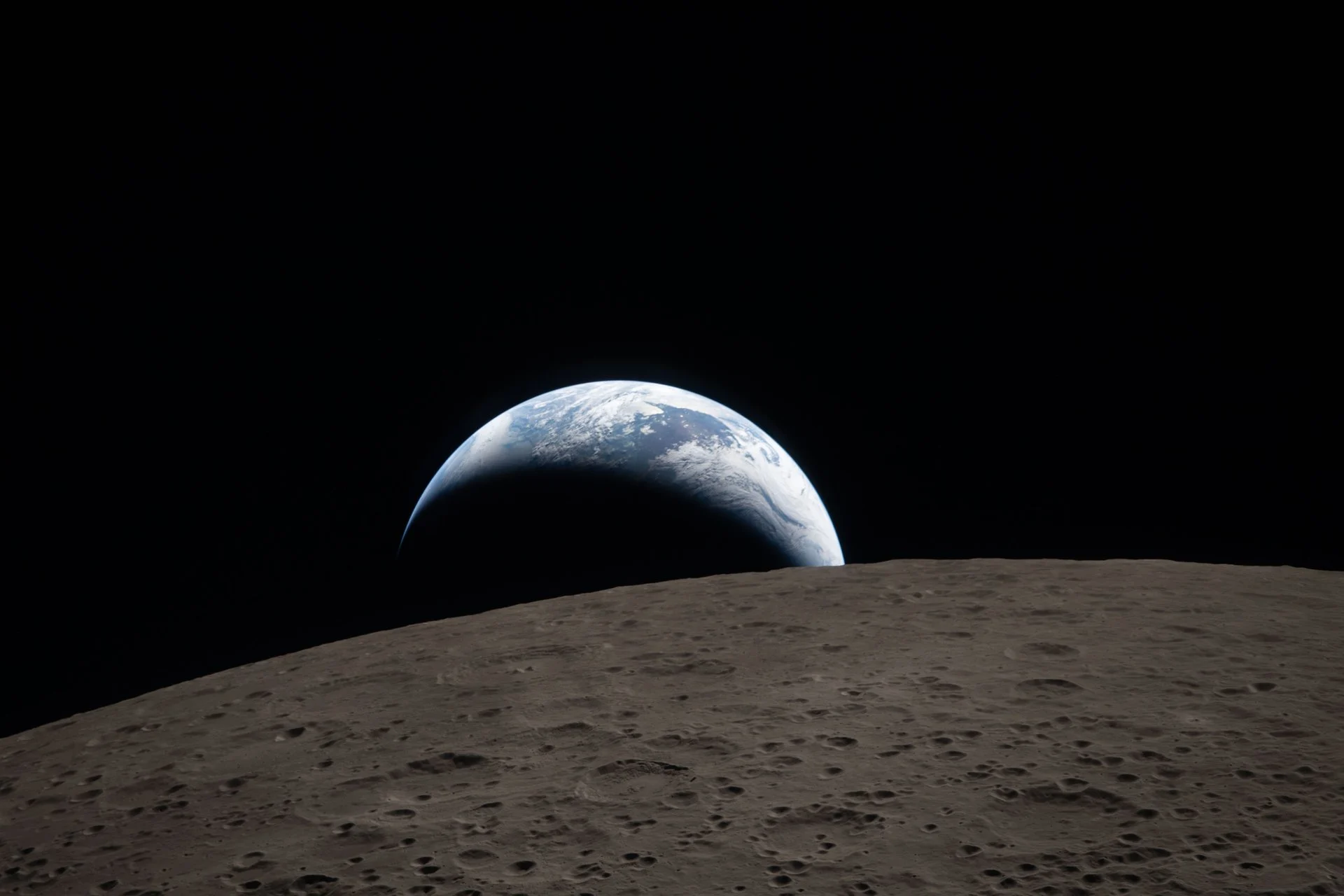
NASA’s Artemis II mission has completed its pass of the far side of the Moon, establishing a new distance record for a crewed spaceflight, over 400,000 km (250,000 mi) from Earth. And in the process, its four-person crew is capturing images of lunar regions no human has ever seen! Fortunately for the rest of us,
-
A Baby Star Blows A Giant Gaseous Ring
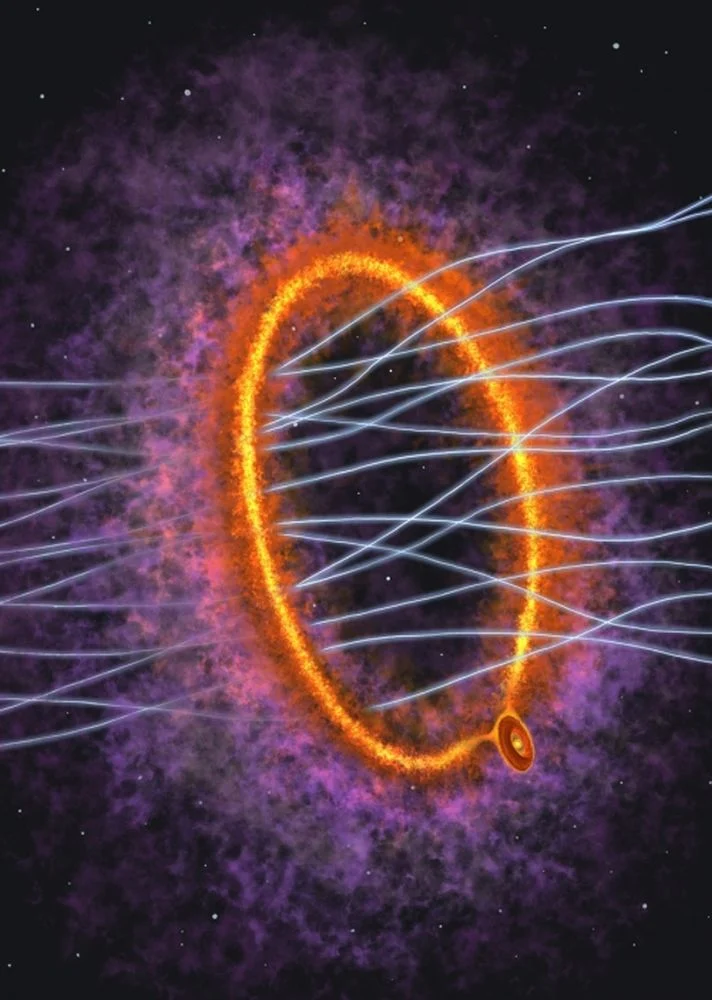
Despite all we’ve learned about star formation, the process is still riven with mystery. Our prying telescopic eyes struggle to pierce the thick gaseous regions that give birth to stars. Progress has been steady, though, and we can thank the Atacama Large Millimeter/sub-millimeter Array (ALMA) for some of it. ALMA is a radio-telescope interferometer comprised
-
Could We Actually Terraform Mars? A New Scientific Roadmap Lays Out the Blueprint—And the Risks
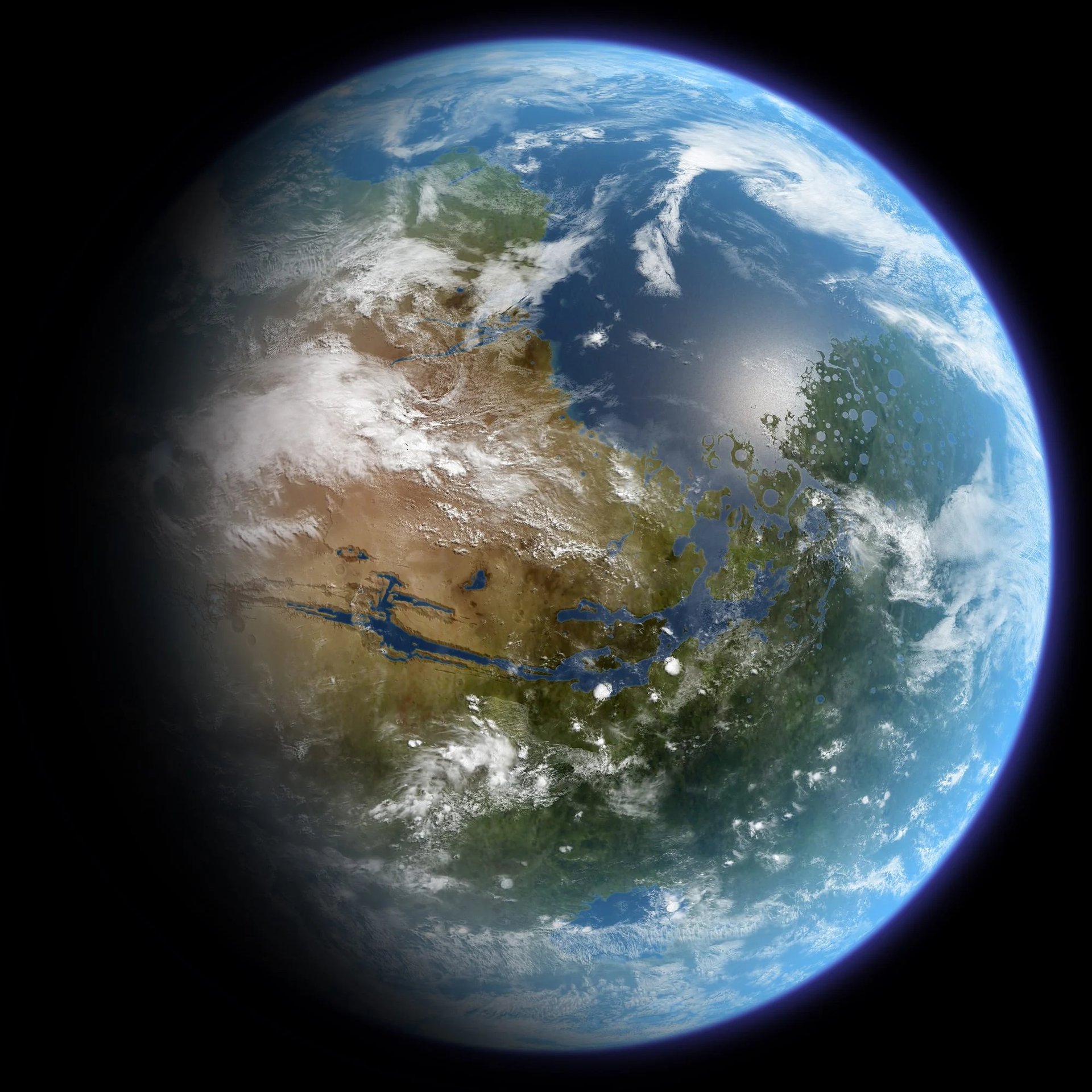
Reading the Mars Trilogy by Kim Stanley Robinson brings the benefits and pitfalls of efforts to terraform the Red Planet into sharp relief. Since the 1970s, when Carl Sagan first suggested the possibility that we could make Mars more Earth-like, that process has been a staple of science fiction. But there’s always been a significant
-
Mercury Scout Mission Concept with Solar Sail Propulsion
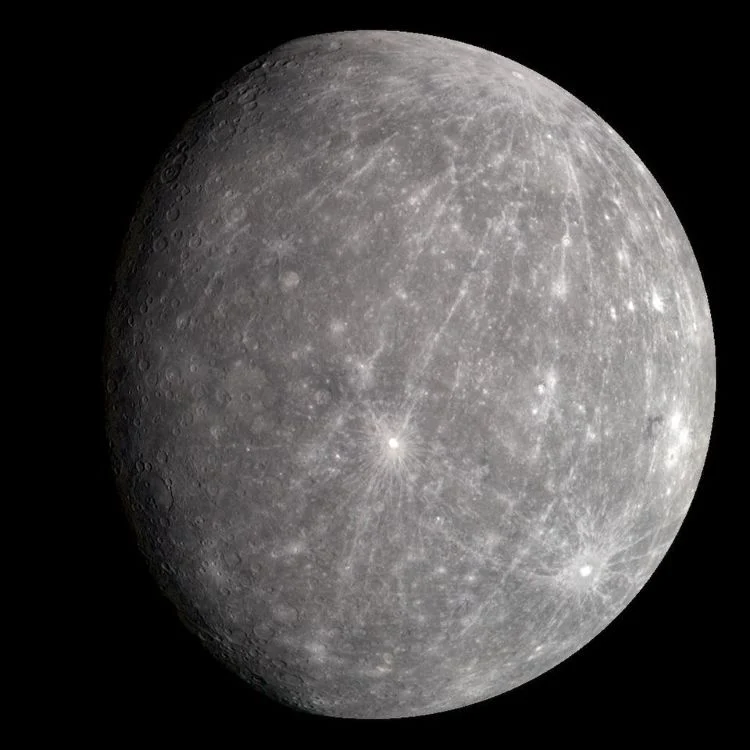
The planet Mercury is the closest planet to the Sun, and also the most difficult for spacecraft to visit and explore. This is because as spacecraft get closer to Mercury, the Sun’s enormous gravity pulls in the spacecraft, greatly increasing its speed and making it hard to slow down without large amounts of fuel. But
-
Exploding Primordial Black Holes Might Have Reshaped the Early Universe – And Created All Matter As We Know It
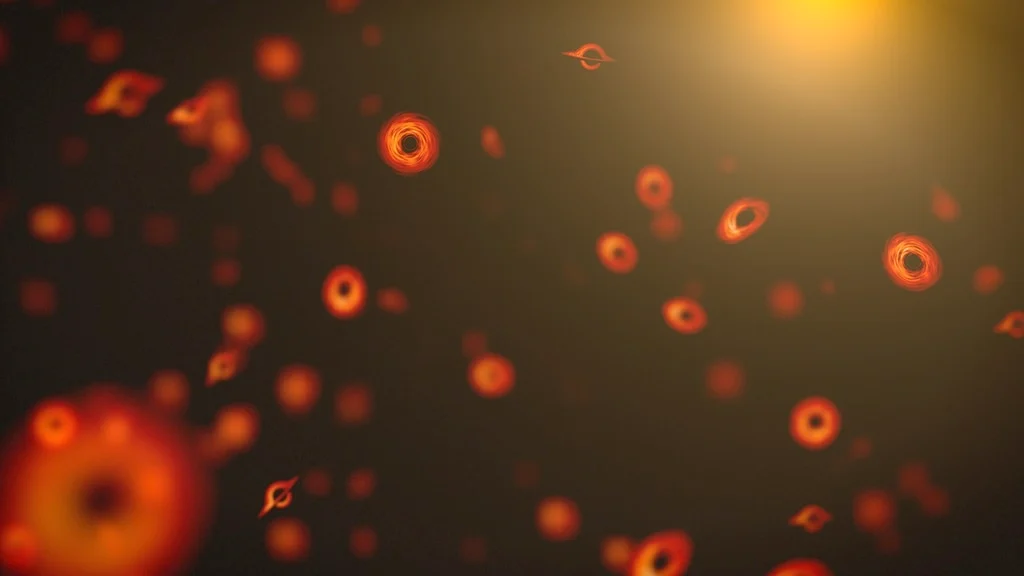
The early universe is absolutely so far outside our understanding of how the world works it’s hard to describe in words. Back then, the cosmos wasn’t filled with stars and galaxies but with a boiling soup of quarks and gluons, with a few microscopic black holes thrown in, occasionally detonating like depth charges. That’s the
-
Scouring TESS Data With AI Reveals A Hundred New Exoplanets
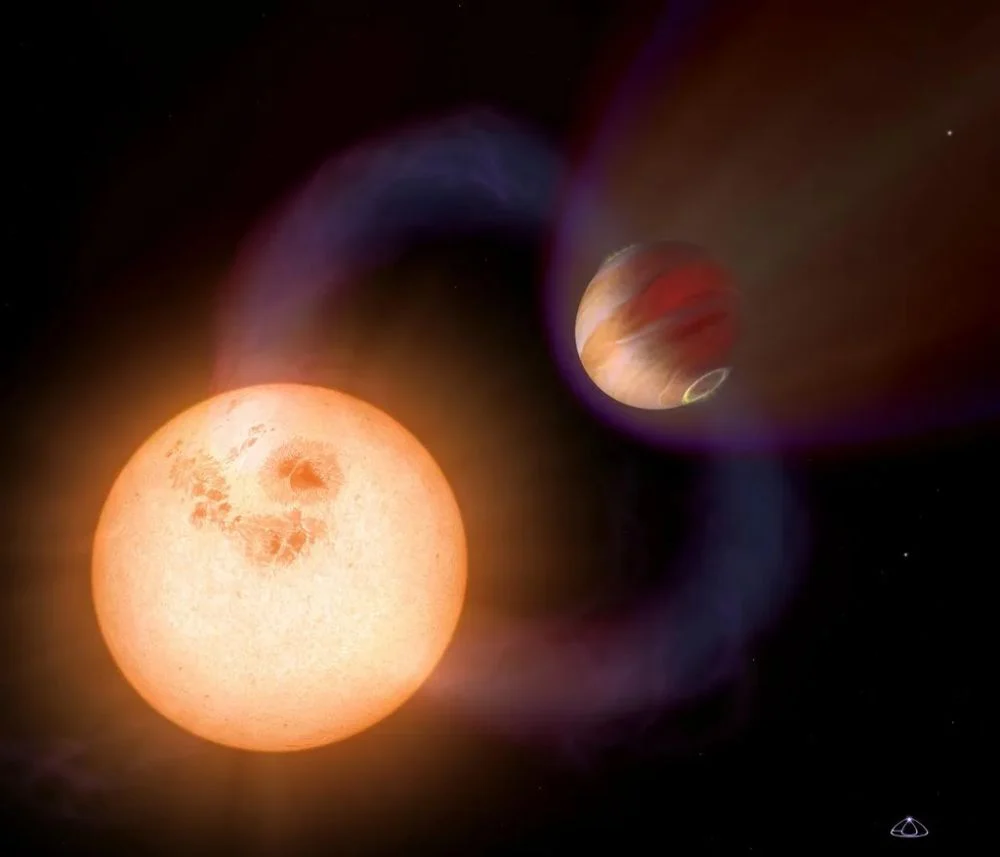
Artificial Intelligence (AI) and Machine Learning (ML) are making a growing contribution to astronomy. As powerful telescopes and large automated surveys become more commonplace, the vast quantities of data they generate demand equally powerful diagnostic tools. The Vera Rubin Observatory and its enormous data-generating capacity drive the point home. The observatory’s Legacy Survey of Time
-
The Largest Survey of Exoplanet Spins Confirms a Long-held Theory
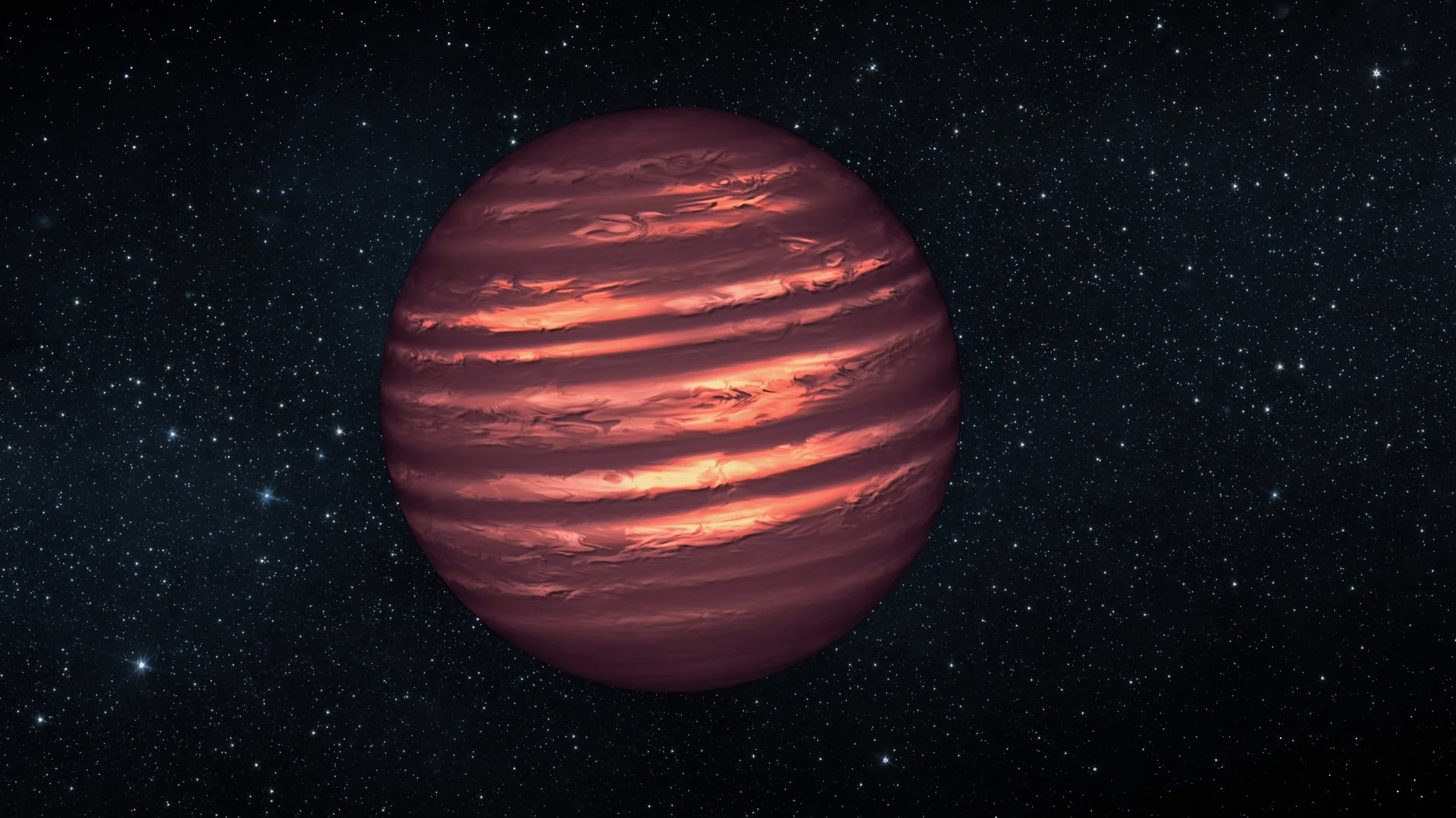
For some time, astronomers have theorized that there is a connection between planetary mass and rotation. In the Solar System, Jupiter and Saturn both rotate rapidly, completing a rotation in roughly ten hours, while accounting for a significant fraction of the Solar System’s rotational energy. Using the W.M. Keck Observatory on Maunakea, Hawai’i, a team
-
Astronomers Find a Third Galaxy Missing Its Dark Matter, Validating a Violent Cosmic Collision Theory
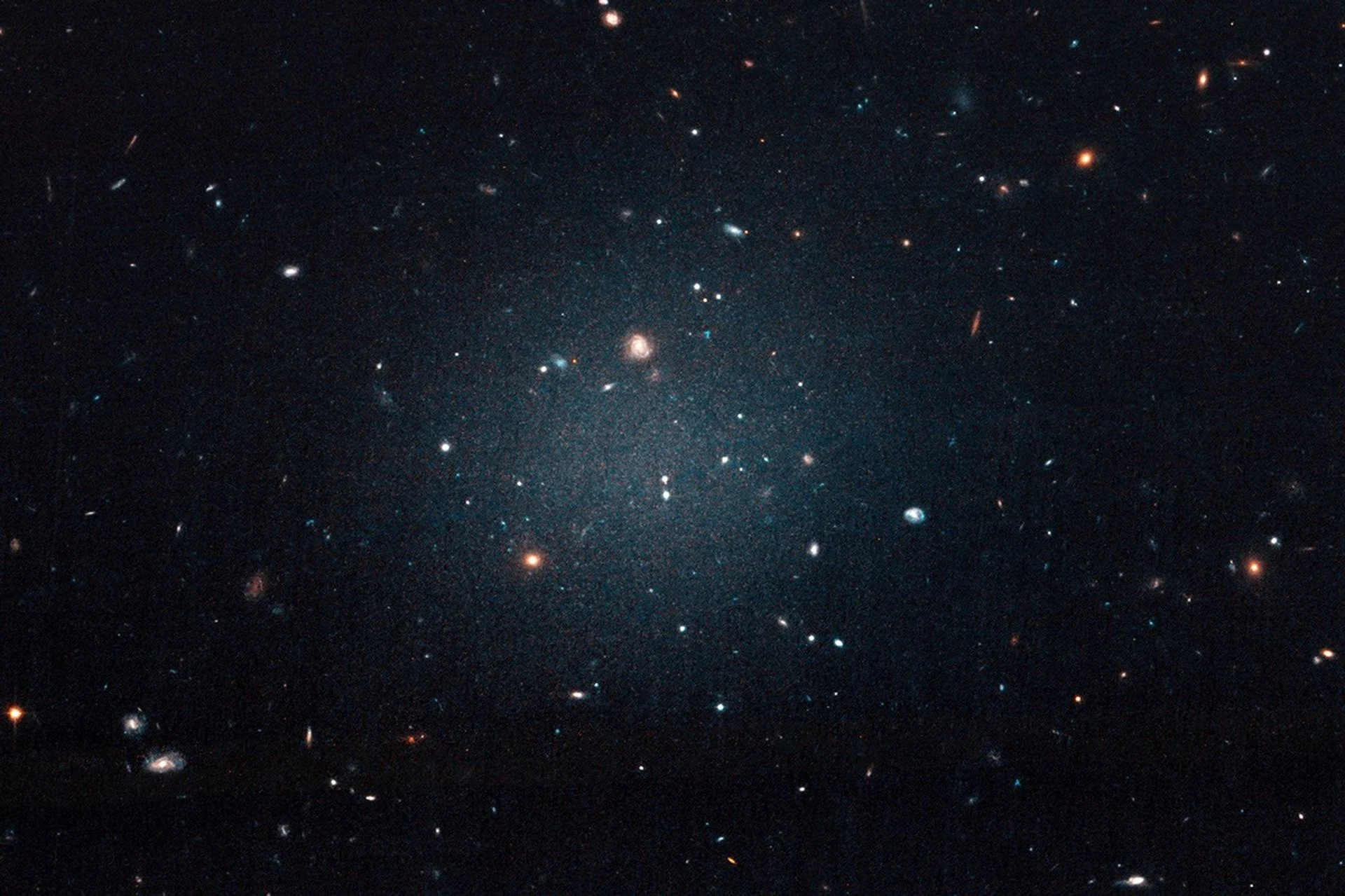
Astronomers have long argued that dark matter is the invisible scaffolding that holds galaxies together. Without its immense gravitational pull, the rotational spins of galaxies would force them to simply fly apart. But now, scientists have found a string of galaxies that seem to be missing their dark matter entirely. The latest in this string,
-
Why Are Supermassive Black Holes Growing So Slowly?
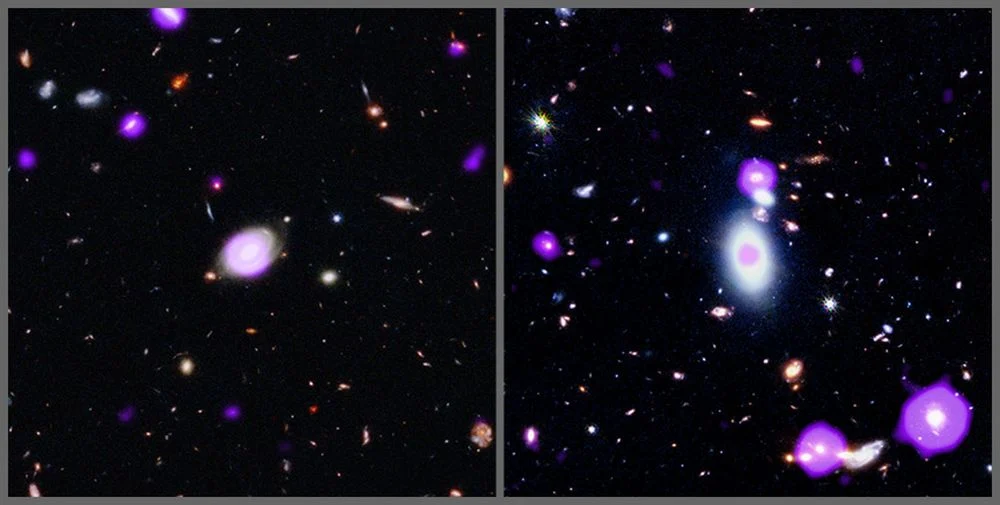
As our powerful infrared telescopes allow astronomers to peer further and further back in time, they’ve discovered some puzzling things. One of them concerns supermassive black holes (SMBH), the physics-challenging behemoths at the center of large galaxies like the Milky Way. As it turns out, SMBH grew much more rapidly at high redshifts than they
-
The Artemis Generation Begins! Artemis II Launches for the Moon
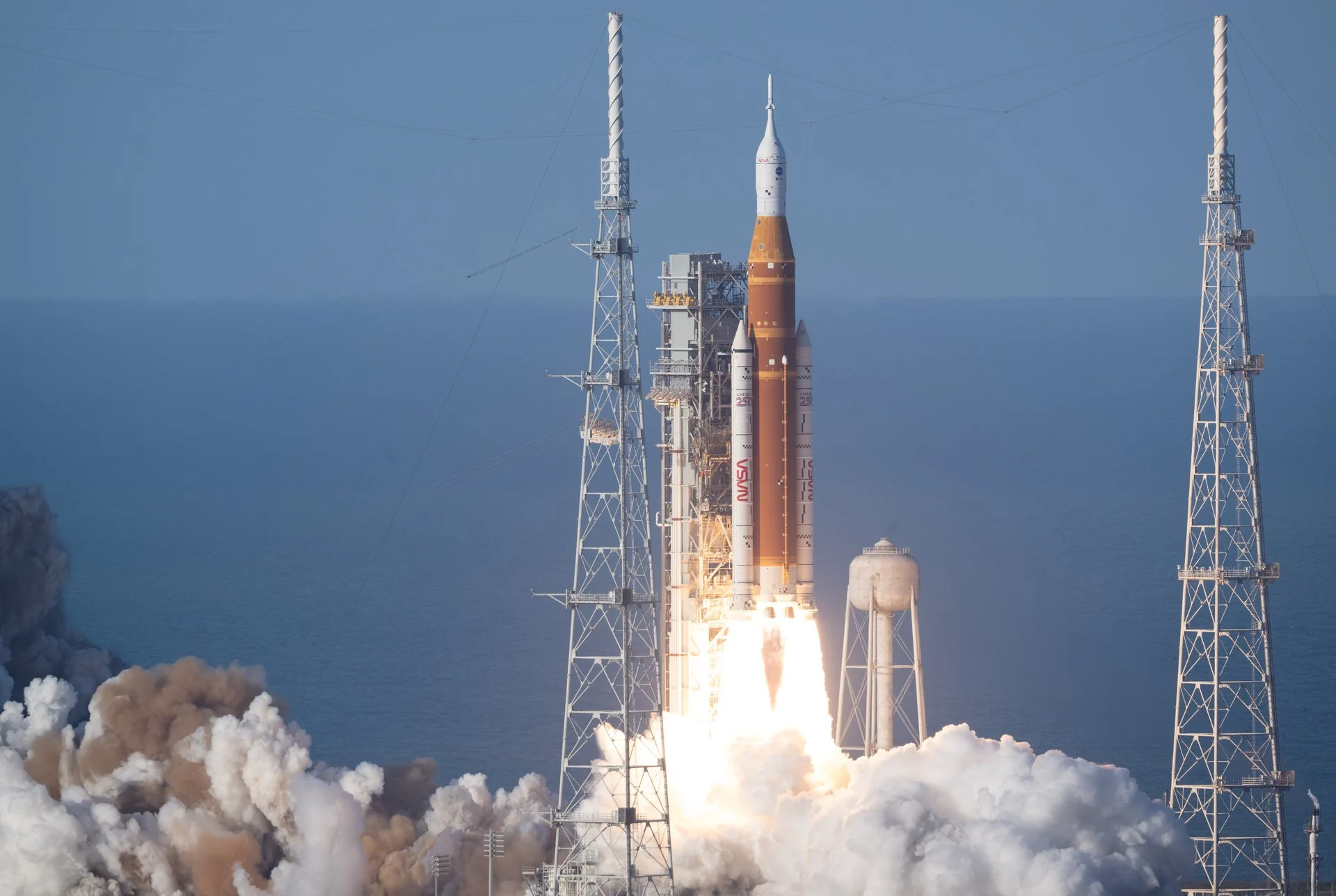
At 06:25 p.m. EDT (03:25 p.m. PDT) on April 1st, the Artemis II mission lifted off from the historic Launch Pad-39B at NASA’s Kennedy Space Center in Florida. The four-person crew – consisting of Reid Wiseman (commander), Victor Glover (pilot), and mission specialists Christina Koch and Canadian astronaut Jeremy Hansen – began the ten-day journey
Search
Archive
Recent Posts
- What happens when you try to chop a photon in half?
- The Space Force is now seeking to buy up to $30 billion in rocket launches
- India’s first privately-developed rocket reaches orbit on dramatic debut launch
- As mosquito ranges expand, better monitoring is key to preventing disease
- Troubling new details emerge on diabetes ouster controversy
Gallery