-
Why cats prefer silver vine to catnip and other May highlights
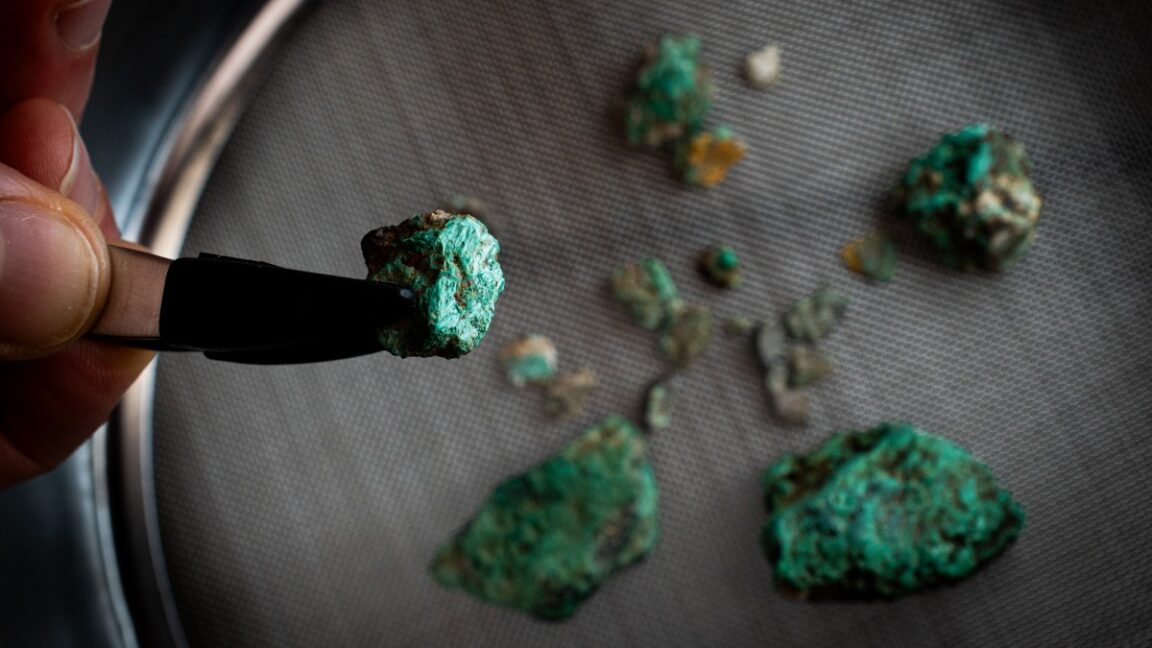
It’s a regrettable reality that there is never enough time to cover all the interesting scientific stories we come across. So every month, we highlight a handful of the best stories that nearly slipped through the cracks. May’s list includes the discovery of a possible prehistoric mining site in the Pyrenees; a new species of
-
An OpenAI model solved a famous math problem that stumped humans for 80 years

OpenAI’s diagram is based on choosing c² = 65, which can be satisfied by either 1² + 8² = 65 or 4² + 7² = 65. This means that if the grid spacing is 1/√65, each point will be one unit away from 16 other points: (1,8), (4,7), (7,4), (8,1), (-1,8), (-4,7), and so forth.
-
They call it stupid hot for a reason: Heat muddles animal brains

For animals such as fish and insects that can’t control their body temperature, heat waves could be particularly detrimental. “Changes in air temperature will affect brain temperature,” says Baird. A hotter brain could hinder the functioning of nerves, and that, she says, “might affect sensing, memory, and learning.” Cross section shows band of cells in
-
Grifters, cynics, and true believers: The family tree of vaccine opponents

Stanley Plotkin, 93, was instrumental in developing a number of vaccines over the course of his career. He recently said that he’s “beginning to regret having lived so long—because we’re going downhill.” How could we possibly have gotten here? Maybe we’ve always been here. It turns out that the anti-vaccine arguments currently flooding the Internet
-
Researchers develop a new process to get lithium out of rocks

The key chemical in the process is ammonium fluoride (NH4F). It’s possible to use the salt directly in a molten form, but heating it invariably leads to some production of hydrogen fluoride, which is extremely dangerous stuff (although they end up using some later). So instead, they used it dissolved in water, which apparently keeps
-
Forecasters predict below-average hurricane season, advise against complacency
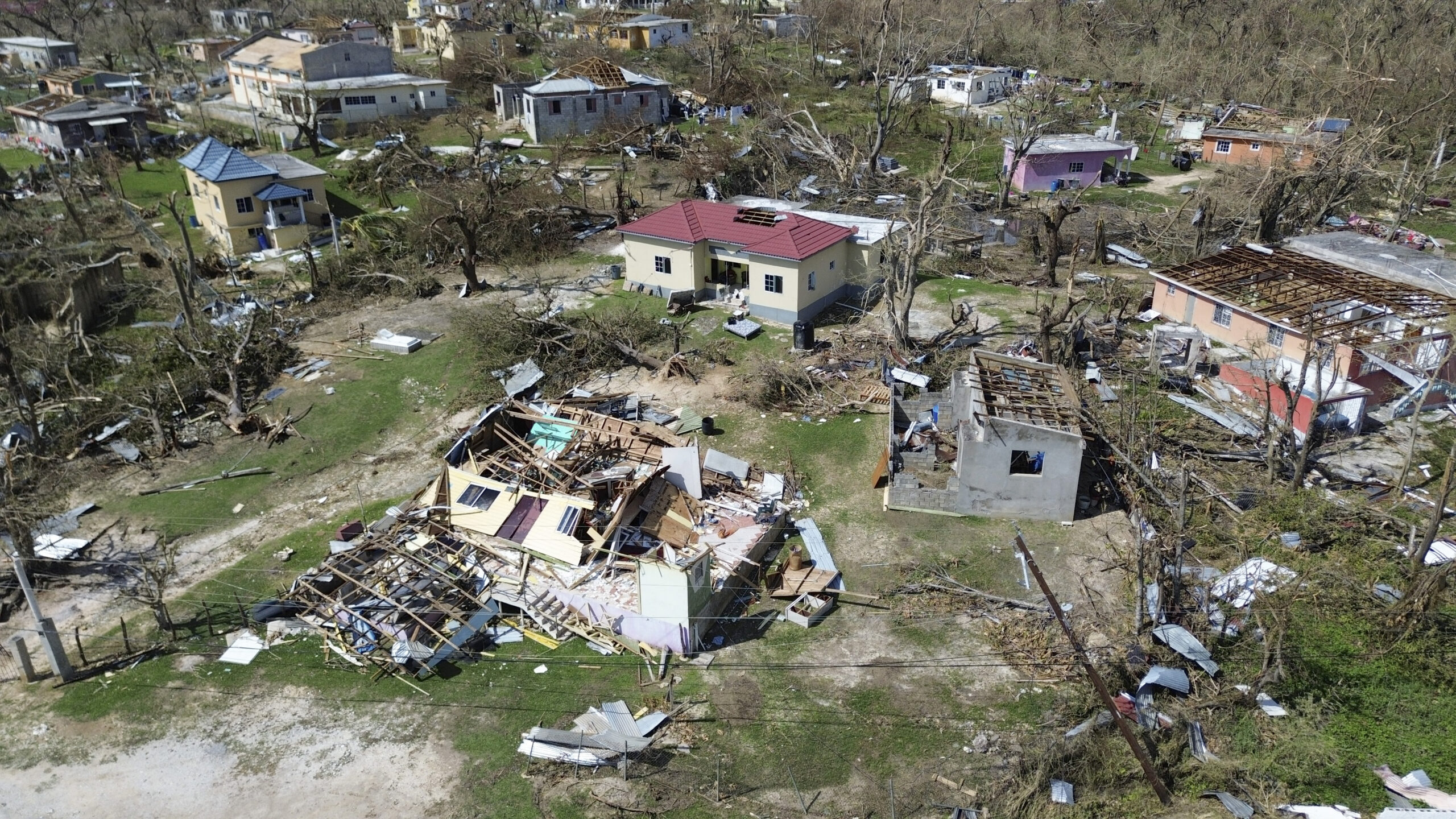
Haiyan Jiang, a meteorologist at Florida International University, said there was a high chance of a strong El Niño that could boost water temperatures in the Gulf of Mexico. “We probably won’t have as many number of storms as previous years. However, some storms get lucky,” she said. “We see outliers all the time, especially
-
Want an oxygen-rich atmosphere? Stuff oxygen’s friends in the mantle.

The beginning of the story, they say, could be the assembly of an early “supercontinent” (think Pangaea) called Columbia. With an appreciable amount of land above sea level, erosion could deliver enough nutrients to the oceans to support a large amount of photosynthetic cyanobacteria. We can see the evidence of this in seafloor sedimentary rocks
-
China’s shark finning could lead to US seafood sanctions
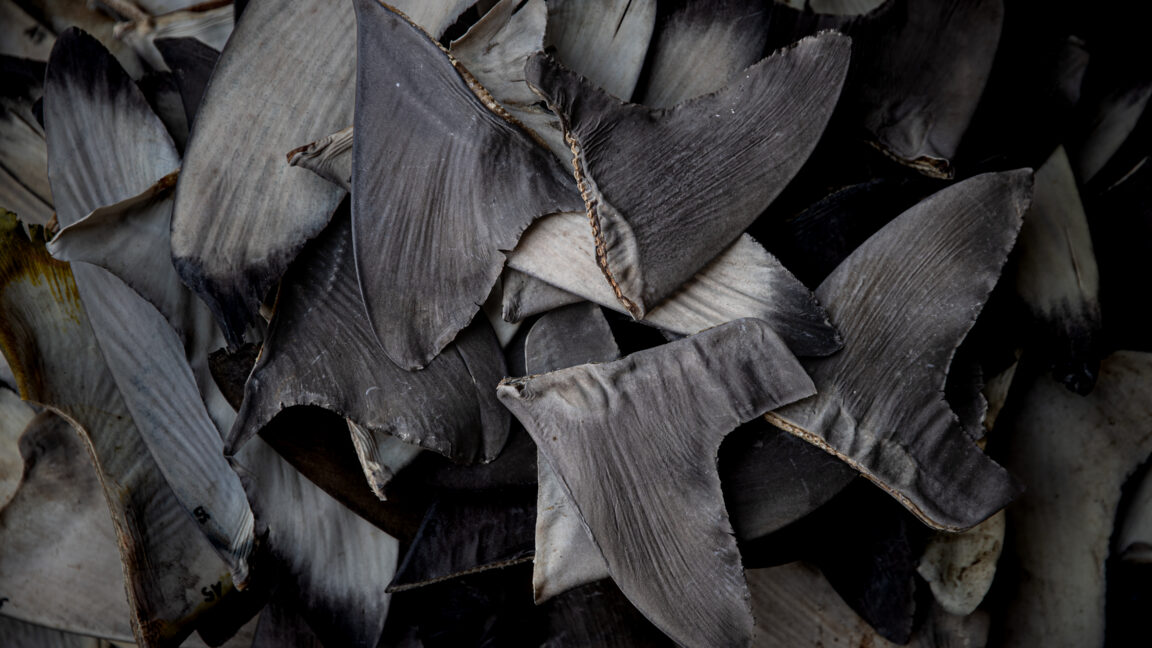
Addressing allegations of worker abuse, the Chinese Embassy maintained that Beijing “attaches great importance to protecting the lawful rights and interests of workers and always asks Chinese companies to abide by laws and regulations.” Martínez said she wished the general public better understood these prehistoric animals. “Sharks fall under the class of fish, and because
-
Whatever the mirror test tells us, beluga whales pass it
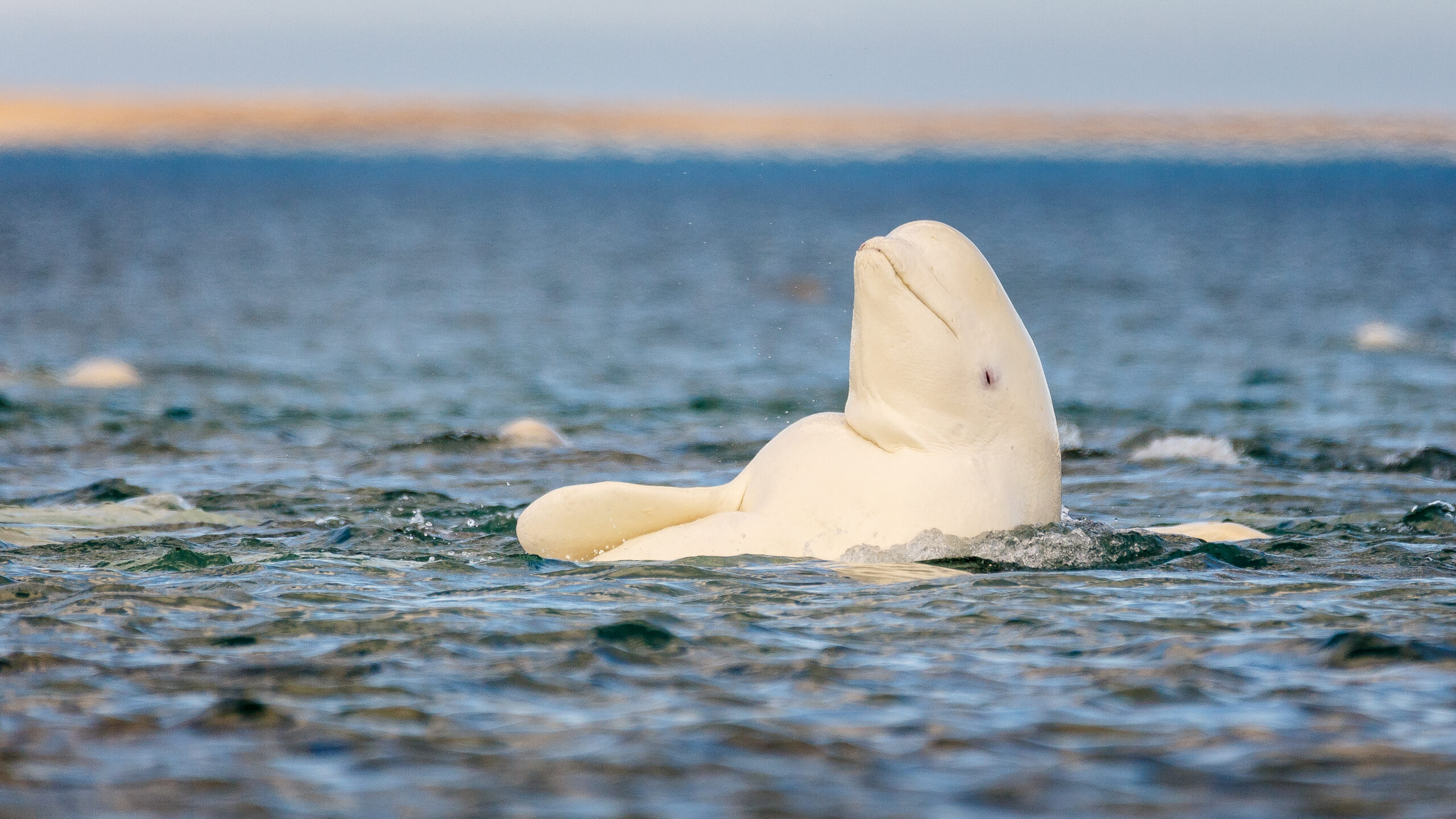
In hours of underwater video footage from a New York aquarium, a beluga whale named Natasha stretches her neck, pirouettes, nods, and shakes her head in front of a two-way mirror. Her daughter Maris does much the same. According to a new study published in PLOS One, both animals show the behavioral hallmarks of mirror
-
SpaceX’s Starship V3—still a work in progress—mostly successful on first flight
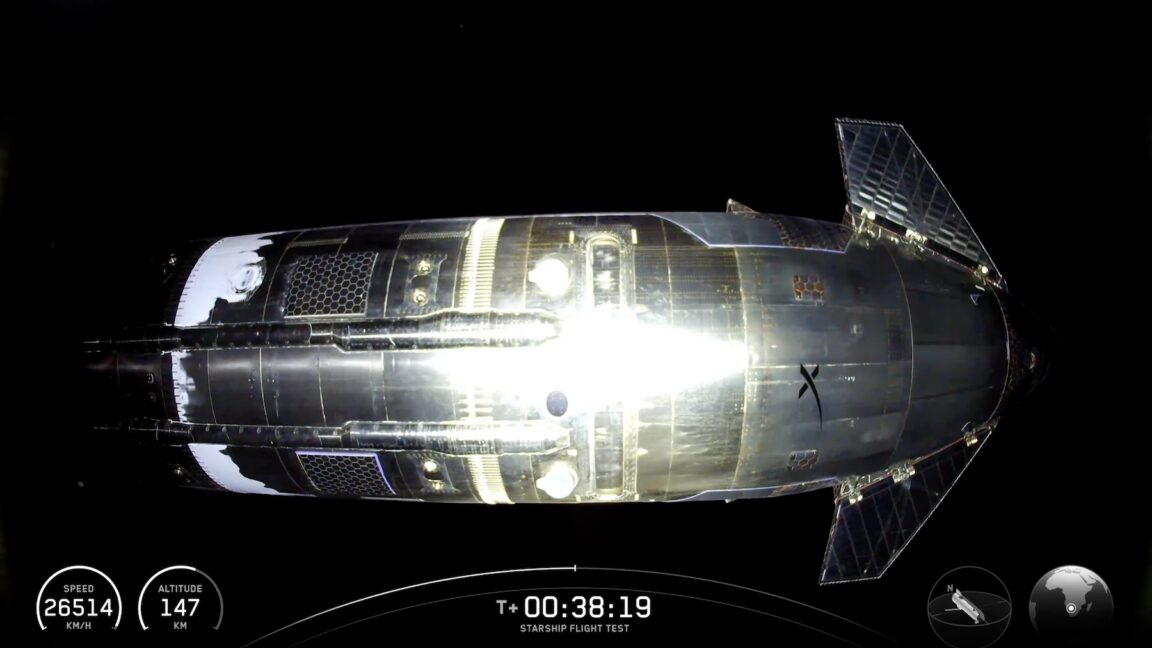
SpaceX launched the first test flight of its upgraded Starship rocket and Super Heavy booster Friday, with mostly positive results. The powerful rocket, propelled by 33 methane-fueled main engines, climbed away from SpaceX’s Starbase launch facility in South Texas at 5:30 pm CDT (6:30 pm EDT; 22:30 UTC) Friday. Within a few seconds, the 408-foot-tall
Search
Archive
Recent Posts
- What happens when you try to chop a photon in half?

- The Space Force is now seeking to buy up to $30 billion in rocket launches

- India’s first privately-developed rocket reaches orbit on dramatic debut launch

- As mosquito ranges expand, better monitoring is key to preventing disease
- Troubling new details emerge on diabetes ouster controversy

Gallery