-
Artemis II Mission Shares New Photo of Earth
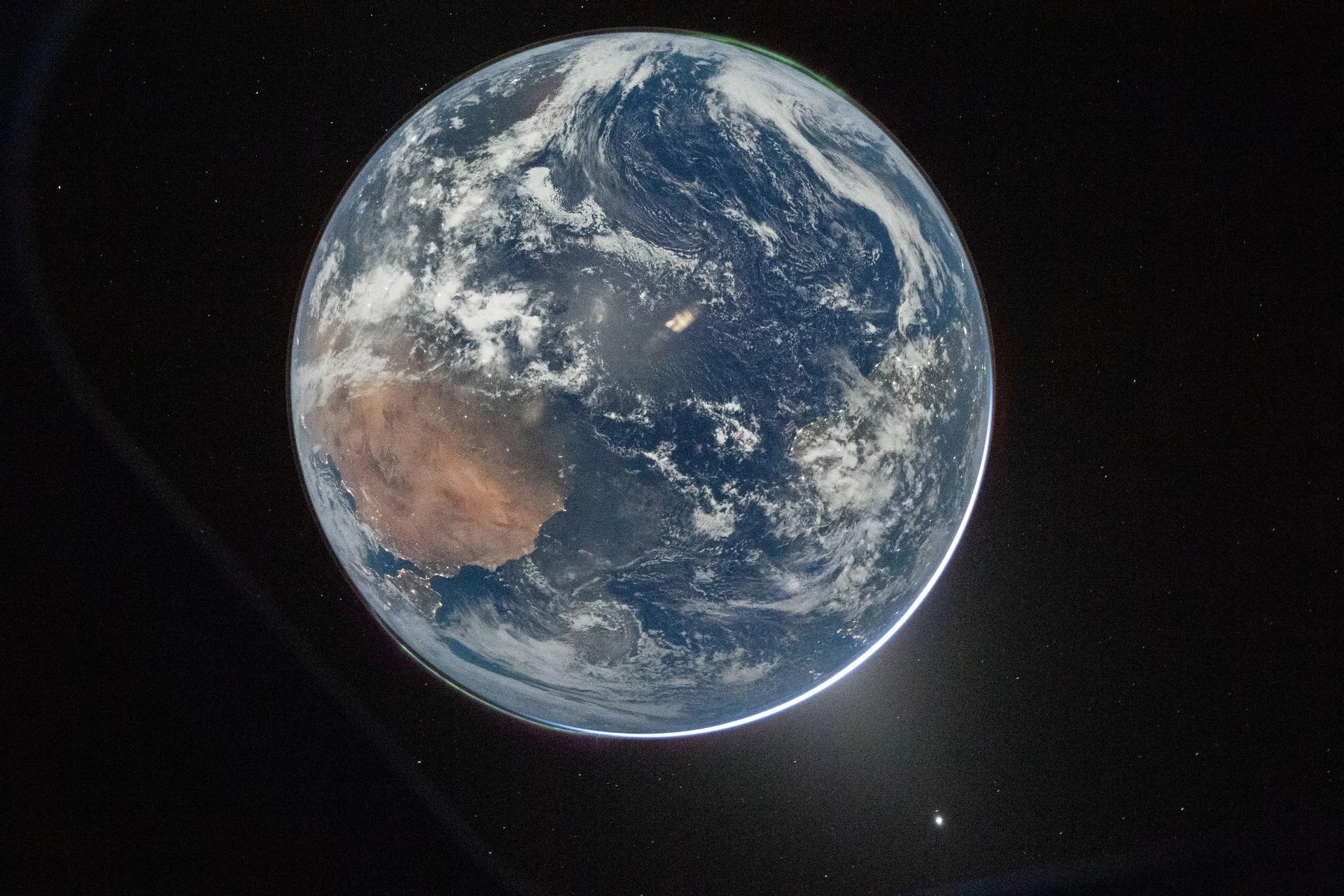
On April 1st, 2026, the Artemis II mission launched from Earth, carrying its four-person crew on a journey that will take them around the Moon. Since then, mission control has performed the Trans-Lunar Injection (TLI), while the crew has been performing proximity operations, testing flight instruments, and troubleshooting the Orion’s systems (including the zero-g toilet).
-
JWST Spies Once-hidden Treasures in the W51 Starbirth Crèche
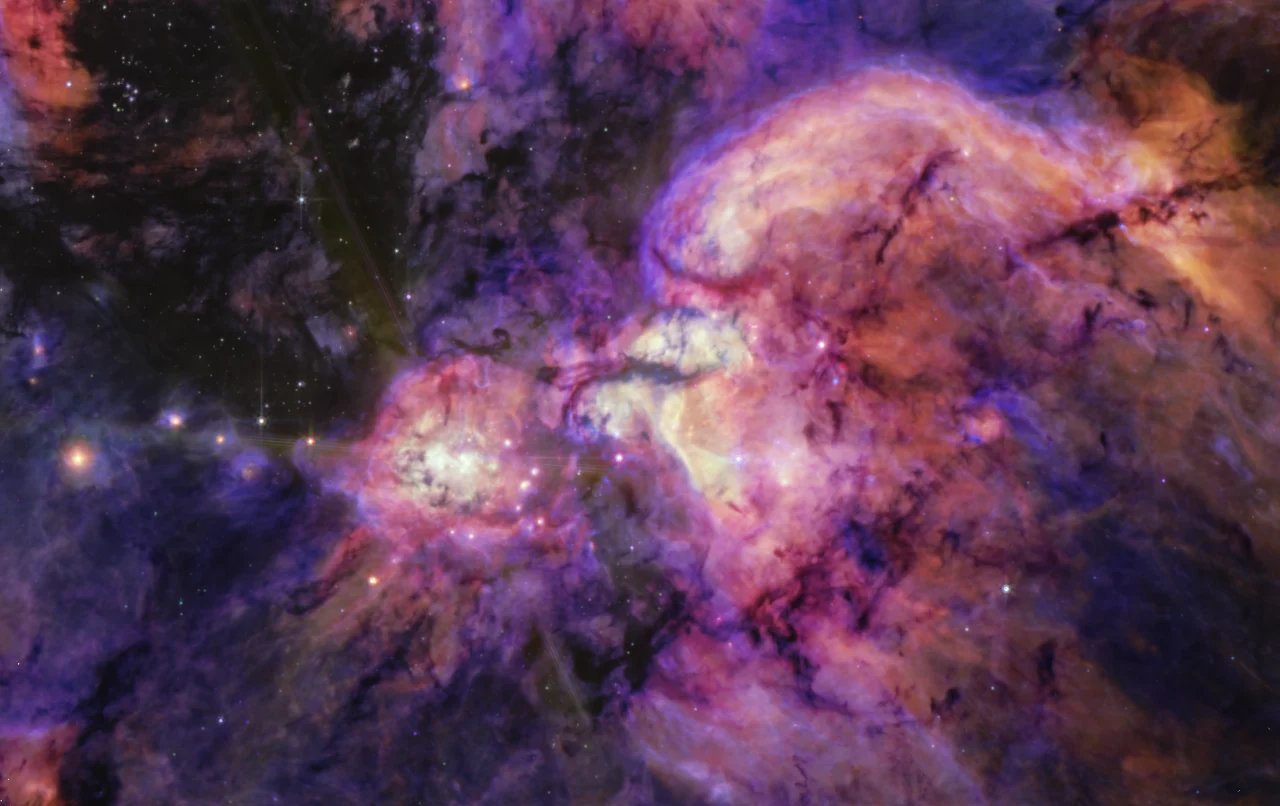
Star formation is a dramatic and complex process that erupts throughout the Universe. Yet, a lot of that action gets hidden by clouds of gas and dust. That’s where observatories such as the James Webb Telescope JWST and the Atacama Large Millimeter Array (ALMA) come in handy. They use infrared light and radio waves respectively,
-
Blue Origin Plans A Pair Of Low-Flying Prospectors Around The Lunar South Pole
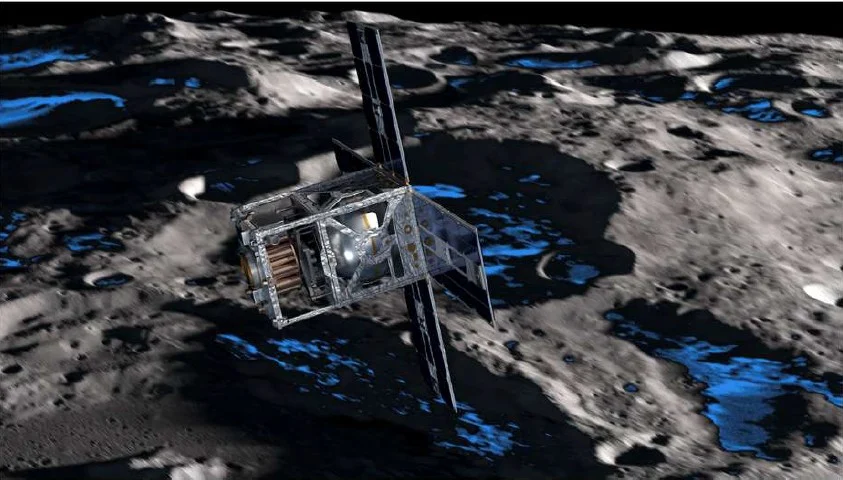
The water locked up in the Permanently Shadowed Regions (PSRs) of the Moon’s south pole is a critical resource if we are ever going to get a permanent lunar presence off the ground. But while we know the water ice there exists, we don’t really know how much. We have to move from general estimates
-
JAXA Plans To Bring Back Pristine Early Solar System Samples From A Comet
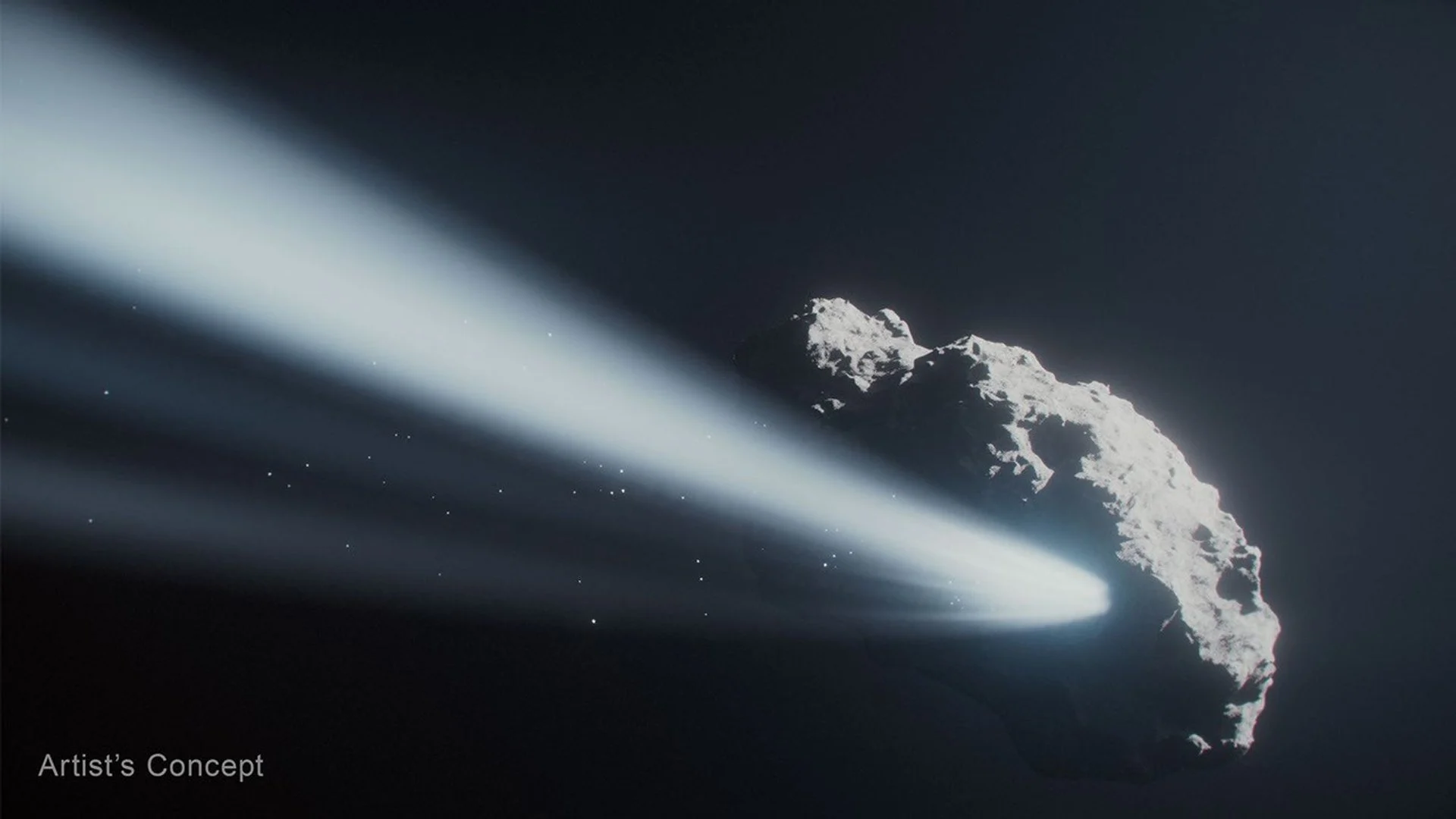
Japan’s space agency, JAXA, has been knocking it out of the park with small-body exploration missions for decades. They had historic successes with both Hayabusa and Hayabusa2, and they are going to visit the Martian Moons soon with the Martian Moons eXploration (MMX) mission. But after that, they are aiming for something much more pristine
-
The Outer Solar System Contributed Nothing To Earth
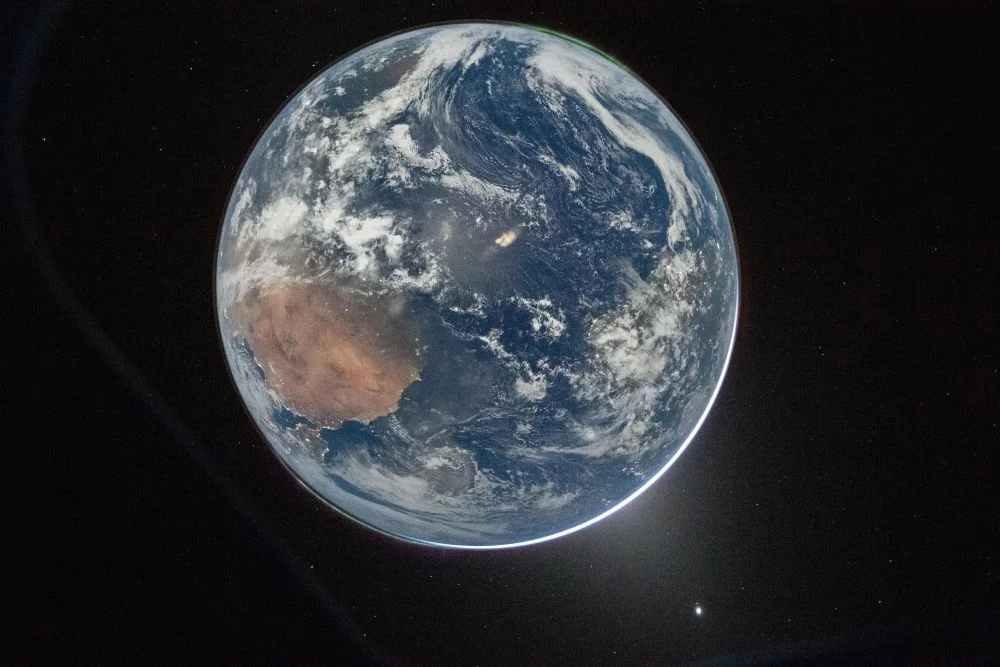
Piecing together the history of Earth’s formation leans heavily on evidence from meteorites. Since the vast majority of meteorites come from asteroids, that means understanding asteroids can also lead to an understanding of Earth’s formation. Together, asteroids and meteorites make up the population of debris left over after the rocky planets formed. Asteroids and meteorites
-
SuperCDM Experiment Reaches Critical Temperature, Bringing it One Step Closer to Detecting Dark Matter
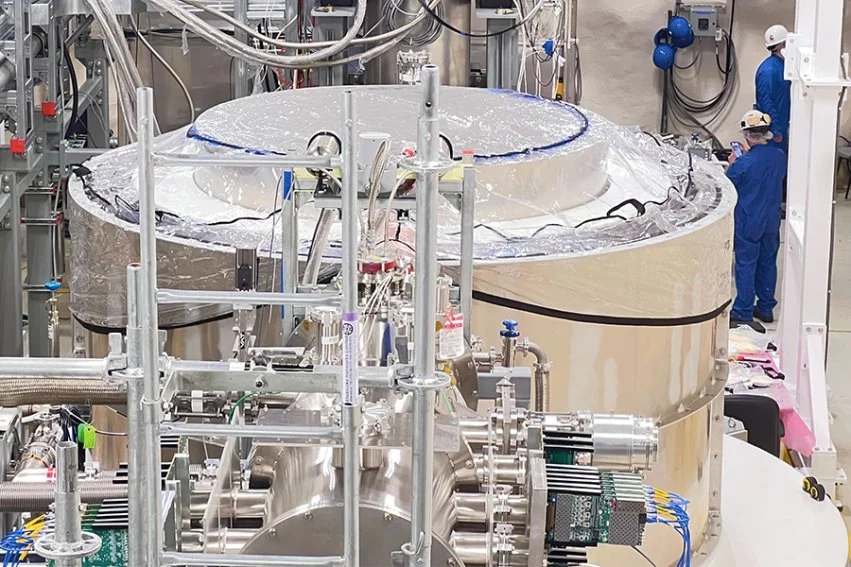
Scientists at the University of Minnesota College of Science and Engineering have reached a milestone with the Super Cryogenic Dark Matter Search (SuperCDMS) experiment. Located deep underground at the Sudbury Neutrino Observatory Laboratory (SNOLAB) in Canada, the world’s deepest underground laboratory, this experiment is designed to detect the Universe’s unseen mass, aka. Dark Matter. The
-
Meet Orpheus – A Hopper Mission Built To Hunt For Life In Martian Volcanoes
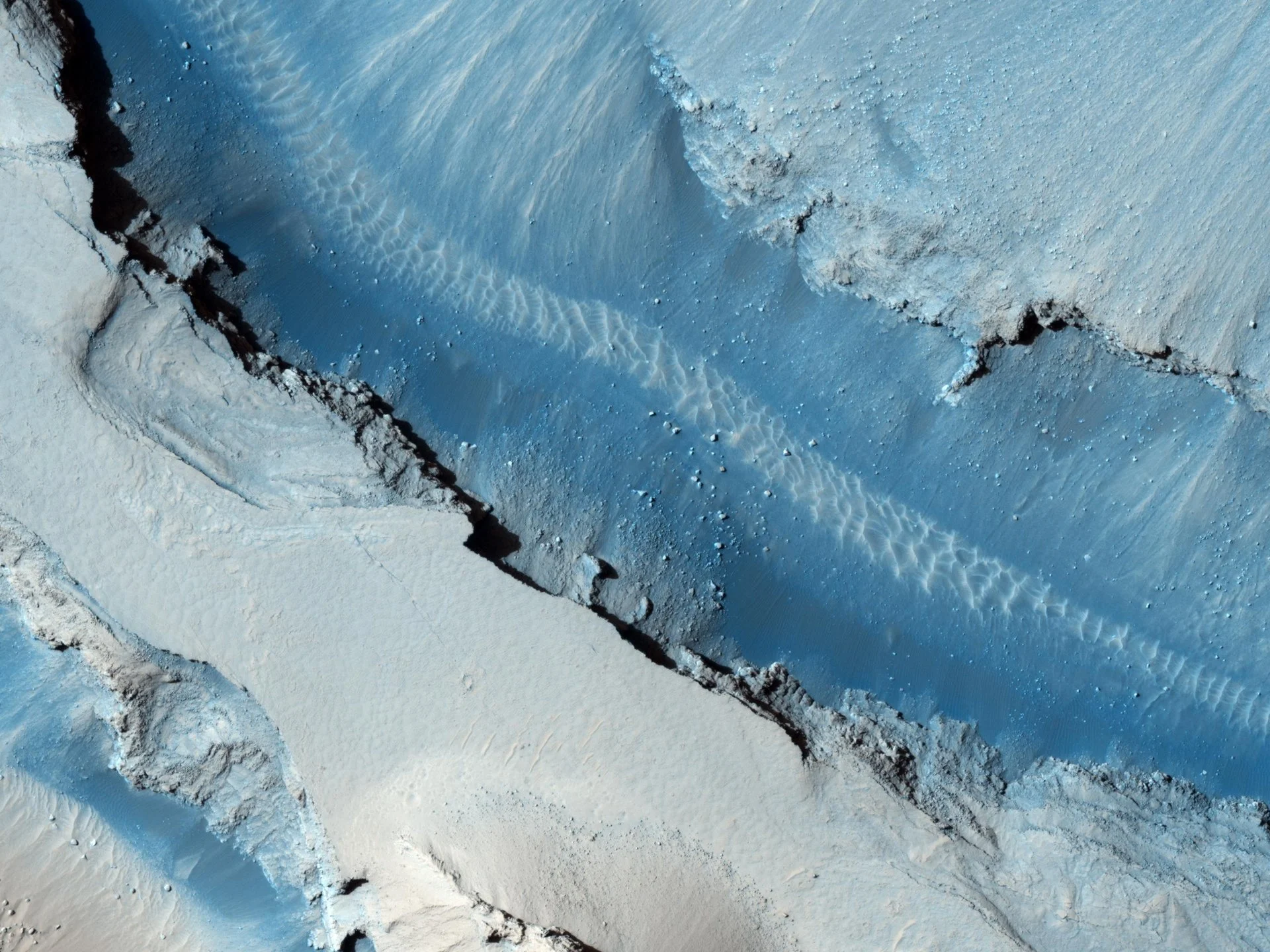
We’ve spent decades scratching the surface of Mars trying to uncover life there. But we’ve been searching a barren wasteland bombarded by radiation and bathed in toxic perchlorates. The entire time, it’s likely that it’s been too hostile to harbor extant life. So if we want a better shot at finding currently living life on
-
A New Class of Star: Merger Remnant
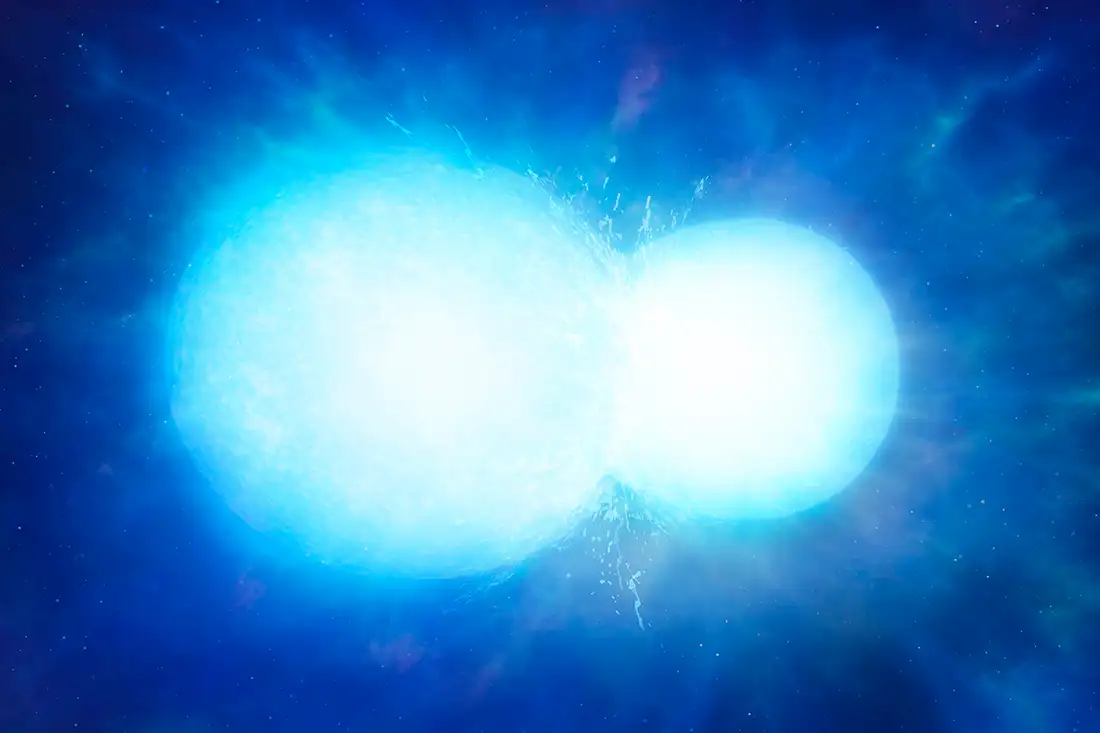
Sometimes it can seem like science has Nature all figured out. In mainstream press, that idea is hard to avoid, even if it’s never stated overtly. But scientists, and maybe astronomers especially, see things differently. When you’re a scientist you understand better than most that our names for things like types of stars or stellar
-
A Mercury Rover Could Explore the Planet by Sticking to the Terminator
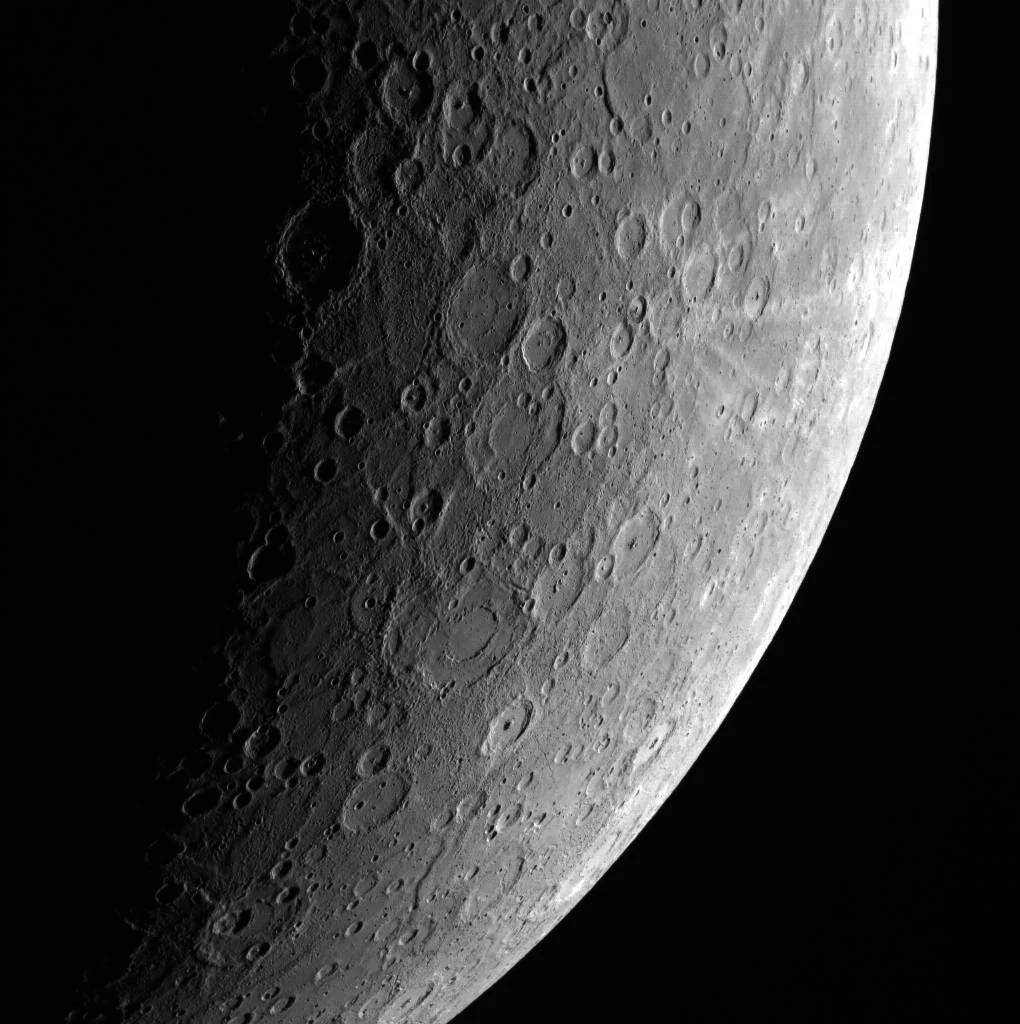
The closest planet to our Sun, Mercury, experiences extreme temperature variations. Since the planet has no atmosphere to speak of, it is in a constant cycle of where one side is extremely hot and the other extremely cold. On the Sun-facing side, temperatures reach a scorching 427 °C (800 °F), enough to melt tin and
-
Webb’s Picture of the Month Features Two Planet-Forming Disks and a Possible Planet
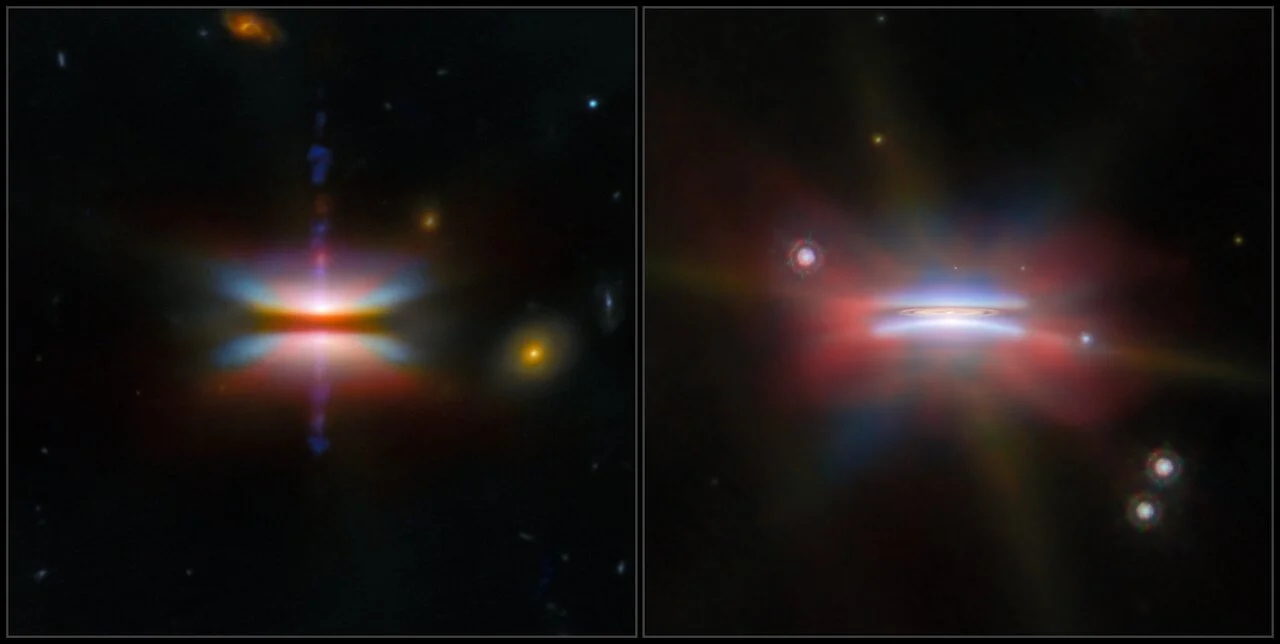
The James Webb Space Telescope’s (JWST) picture of the month shows Tau 042021 (left) and Oph 163131 (right), two protoplanetary disks located about 450 and 480 light-years from Earth in the constellations Taurus and Ophiuchus (respectively). These disks are composed of material left over from the formation of new stars, which coalesce into planetesimals that
Search
Archive
Recent Posts
- What happens when you try to chop a photon in half?

- The Space Force is now seeking to buy up to $30 billion in rocket launches
- India’s first privately-developed rocket reaches orbit on dramatic debut launch

- As mosquito ranges expand, better monitoring is key to preventing disease

- Troubling new details emerge on diabetes ouster controversy

Gallery