-
The Moon Just Got a New Scar
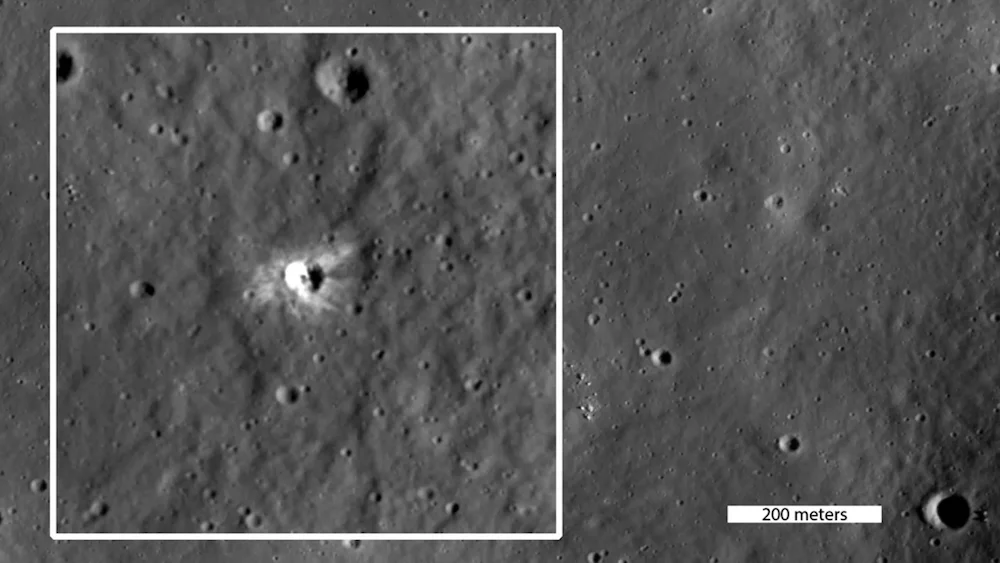
Look up at a full Moon on a clear night and you are staring at a face that has been punched, gouged, and battered for four billion years. Those dark patches are vast basins blasted open by impacts so colossal they reshaped a world. The lighter highlands are pocked and pitted, crater upon crater, each
-
Are Neutrinos Their Own Evil Twins? Part 1: So We’re Going to Redefine “Particle”
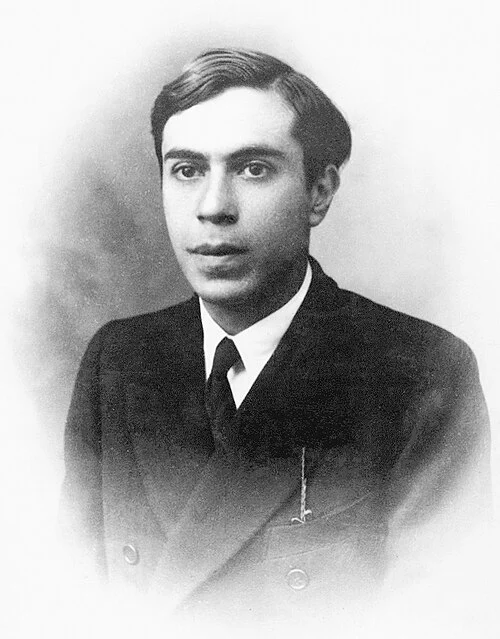
On March 25, 1938, a 31-year-old physicist named Ettore Majorana bought a ticket for a ferry from Palermo to Naples. That night, before boarding, he sent a letter to Antonio Carrelli, director of the Naples Physics Institute: Dear Carrelli, I made a decision that has become unavoidable. There isn’t a bit of selfishness in it,
-
Student Team Finds One of the Oldest Stars in the Universe that Migrated to the Milky Way
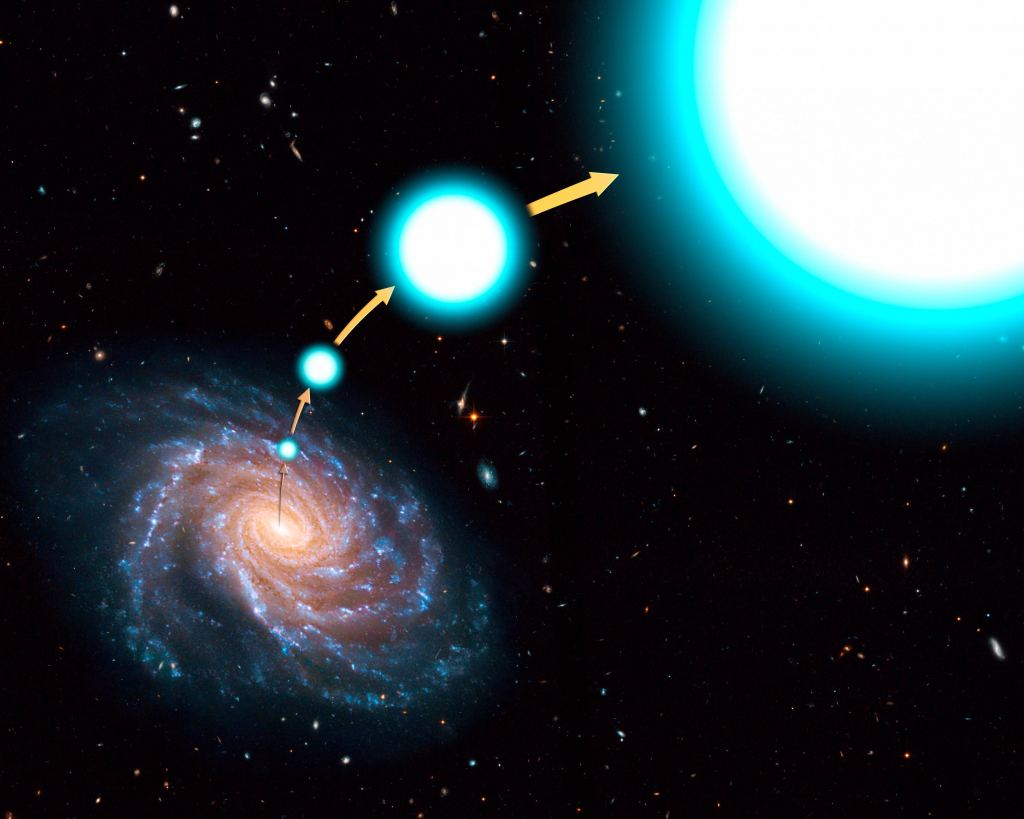
Ten undergraduate students from the University of Chicago made an astounding discovery using data from the Sloan Digital Sky Survey (SDSS). As part of their “Field Course in Astrophysics,” they located one of the oldest stars in the Universe living in the Milky Way. The star, SDSS J0715-7334, is a red giant with 29 times
-
Why Does Jupiter Have More Large Moons than Saturn?
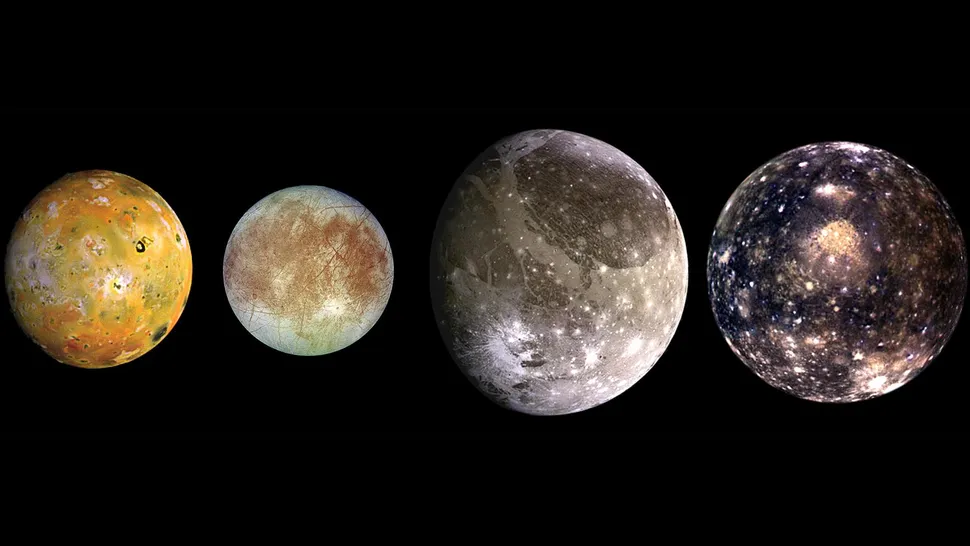
Jupiter and Saturn, the two largest planets in the Solar System, are known for their large and varied systems of moons. At present count, Jupiter has more than 100 moons, while Saturn has more than double that, with over 280 known satellites. However, Jupiter’s system of satellites includes four large moons – Io, Europa, Ganymede,
-
It’s Not Supposed To Be Like This: A Giant Planet Orbits A Small Star
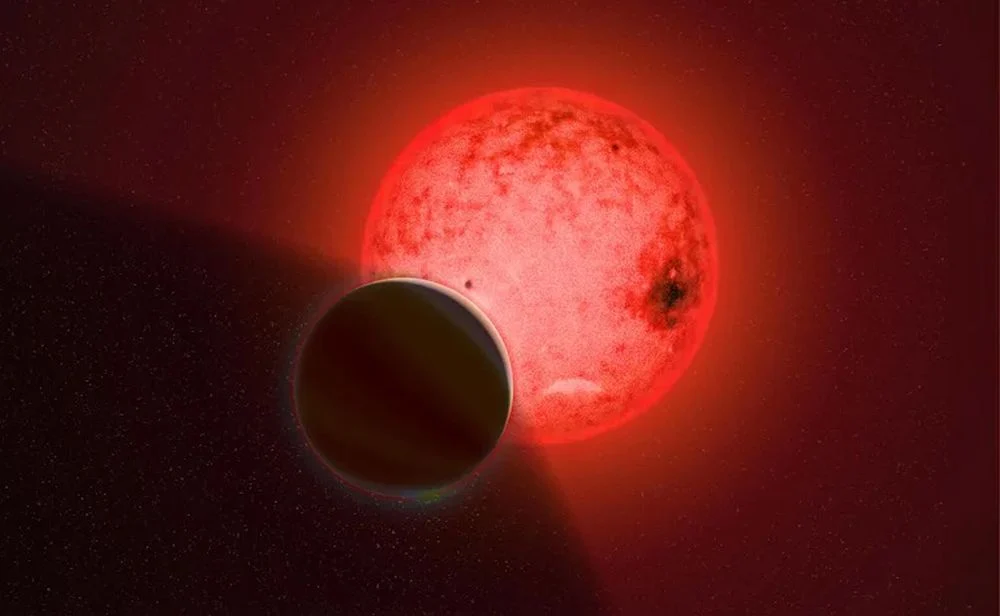
The nebular hypothesis states that stars and the planets that orbit them form from the same reservoir of material, called a solar nebula. It’s the most commonly accepted explanation for how solar systems form. But despite its ability to explain many things about solar system formation, there are some outstanding questions. The study of exoplanets
-
ESA Launches 7 New Missions to Supercharge Space Data Transfer
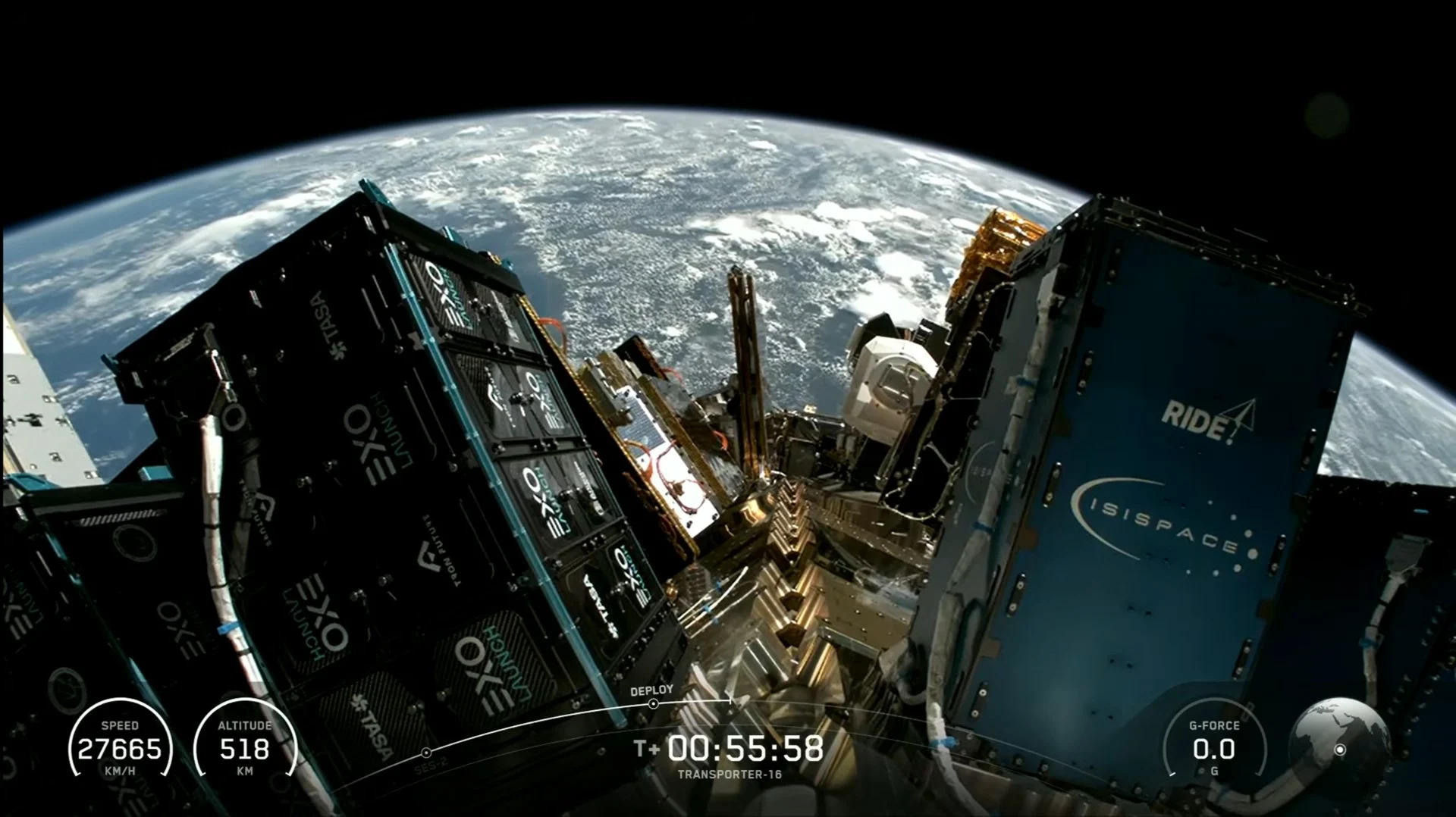
Space is getting crowded – and not just with satellites, but with the massive amounts of data they’re generating. The amount of information being generated and passed through orbit is exploding. From high-resolution Earth observation images to global maritime monitoring, it’s also become a critical link in our infrastructure. But there’s another space this growing
-
Scientists Spot a Solar Flare With Surprising Spectral Behavior
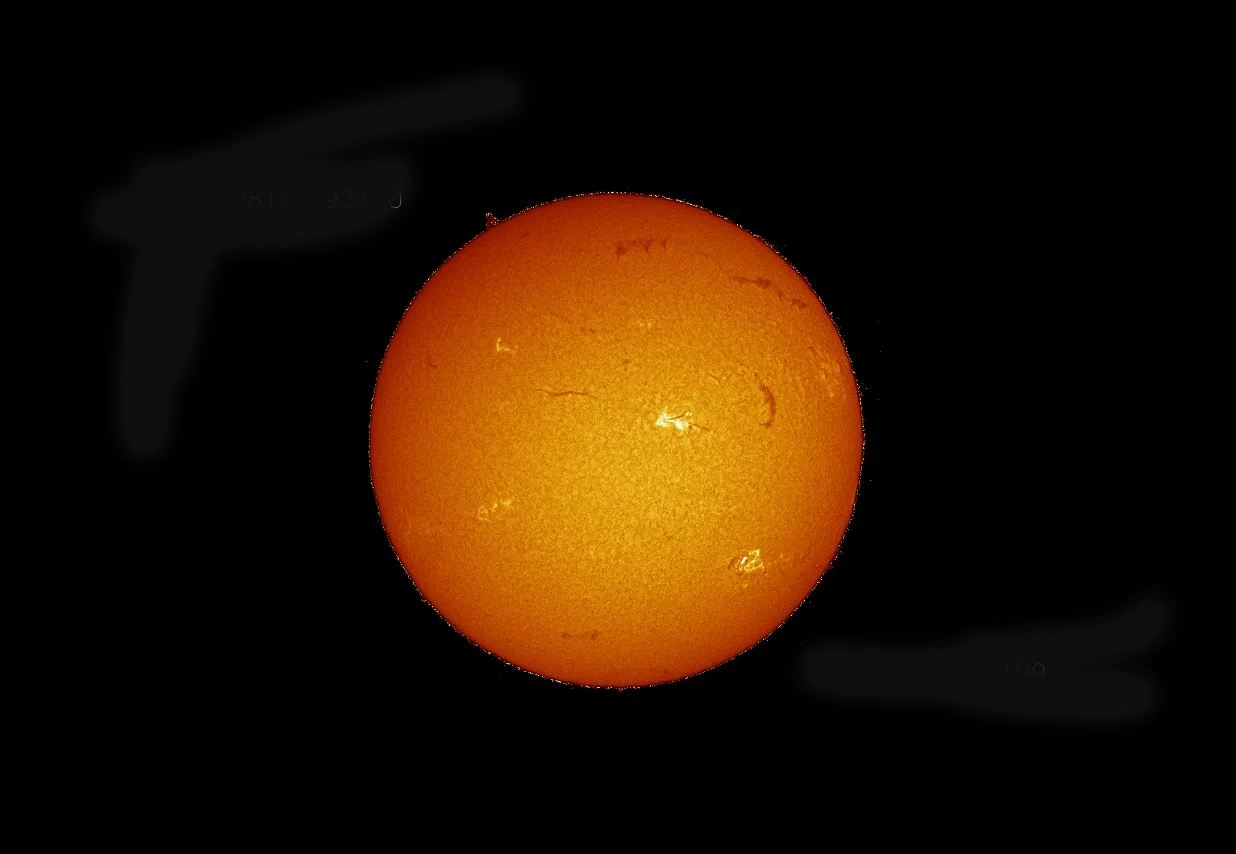
On August 19, 2022, solar astronomers using the Daniel K. Inouye Solar Telescope (DKIST) on the Hawaiian island of Maui caught the fading remnants of a C-class solar flare. Their observations showed something unusual: very strong spectral fingerprints of calcium II H and hydrogen-epsilon lines. It was the first time these two light signatures were
-
NASA Releases Images of Artemis II’s Flight Behind the Moon
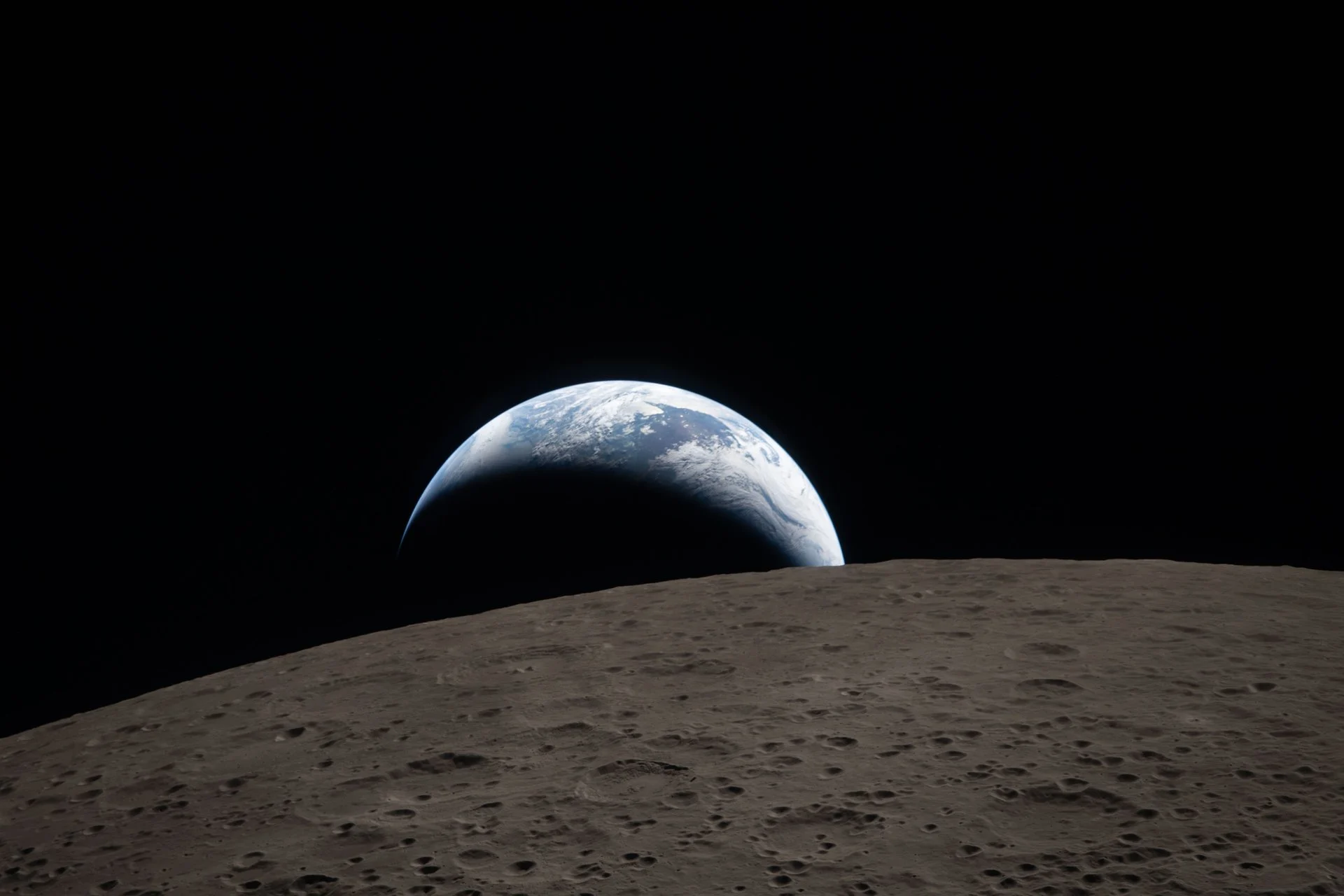
NASA’s Artemis II mission has completed its pass of the far side of the Moon, establishing a new distance record for a crewed spaceflight, over 400,000 km (250,000 mi) from Earth. And in the process, its four-person crew is capturing images of lunar regions no human has ever seen! Fortunately for the rest of us,
-
A Baby Star Blows A Giant Gaseous Ring
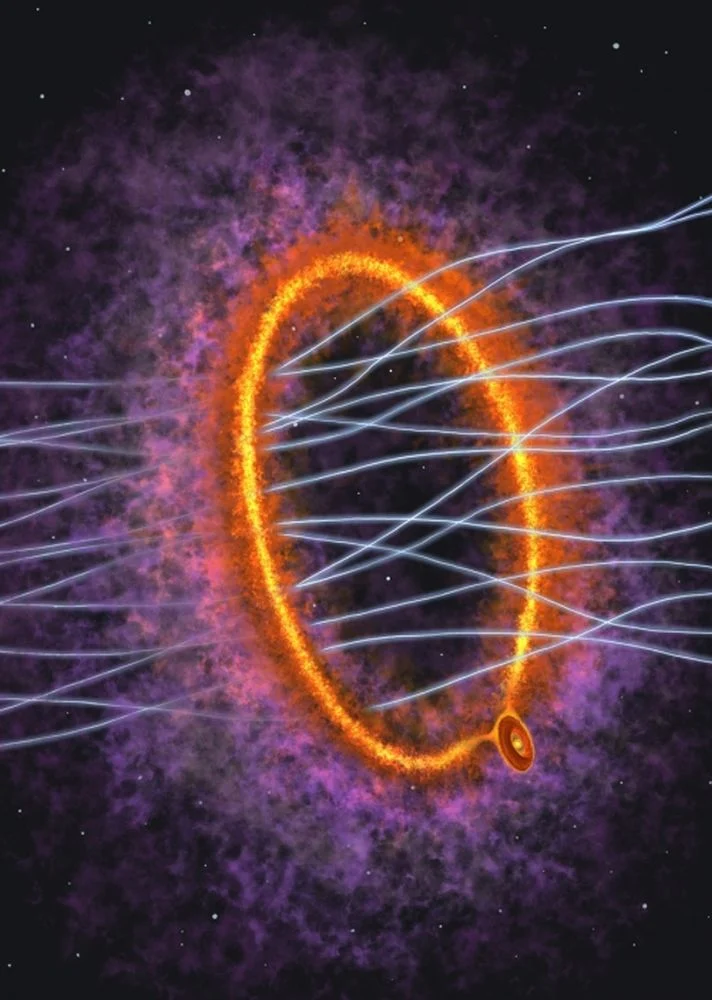
Despite all we’ve learned about star formation, the process is still riven with mystery. Our prying telescopic eyes struggle to pierce the thick gaseous regions that give birth to stars. Progress has been steady, though, and we can thank the Atacama Large Millimeter/sub-millimeter Array (ALMA) for some of it. ALMA is a radio-telescope interferometer comprised
-
Could We Actually Terraform Mars? A New Scientific Roadmap Lays Out the Blueprint—And the Risks
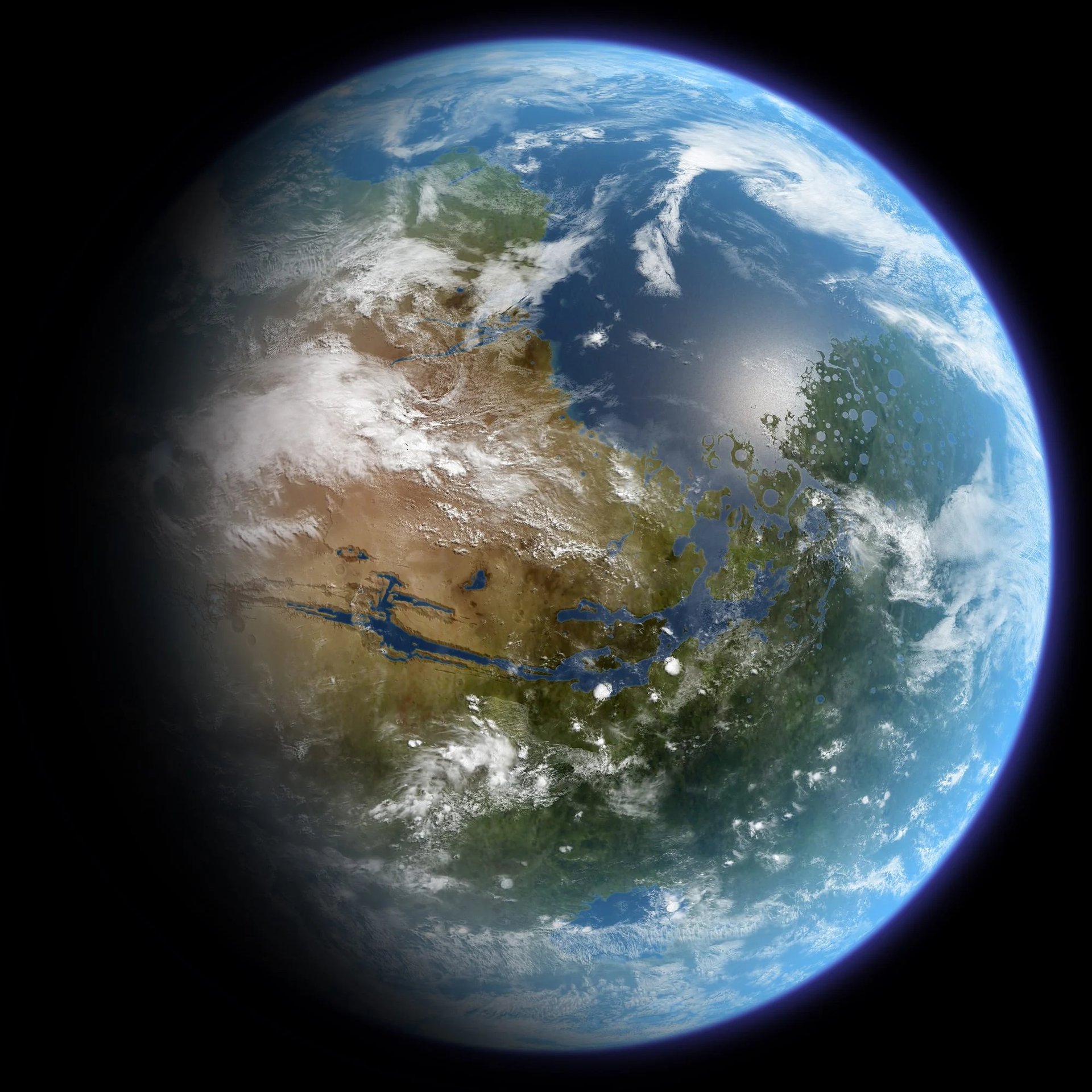
Reading the Mars Trilogy by Kim Stanley Robinson brings the benefits and pitfalls of efforts to terraform the Red Planet into sharp relief. Since the 1970s, when Carl Sagan first suggested the possibility that we could make Mars more Earth-like, that process has been a staple of science fiction. But there’s always been a significant
Search
Archive
Recent Posts
- What happens when you try to chop a photon in half?

- The Space Force is now seeking to buy up to $30 billion in rocket launches
- India’s first privately-developed rocket reaches orbit on dramatic debut launch

- As mosquito ranges expand, better monitoring is key to preventing disease
- Troubling new details emerge on diabetes ouster controversy

Gallery