
It’s “an exciting advance in efforts to restock the antibiotic arsenal,” Steven Rutherford, a microbial sciences expert at Genentech, wrote in an accompanying commentary piece in Nature. “More broadly, the study provides a road map showing how genome mining can be used to identify new antibacterial natural products and strategies for using them.”
The pathway the megacluster’s products attack is one for making biotin, also known as vitamin B7. The nutrient is required for growth and virulence in many human pathogens, and, more specifically, it’s a cofactor that critical metabolic enzymes need to work properly. Some bacteria can scavenge biotin from their surroundings, but it’s generally scarce, and bacteria contain evolutionarily conserved pathways to make it themselves.
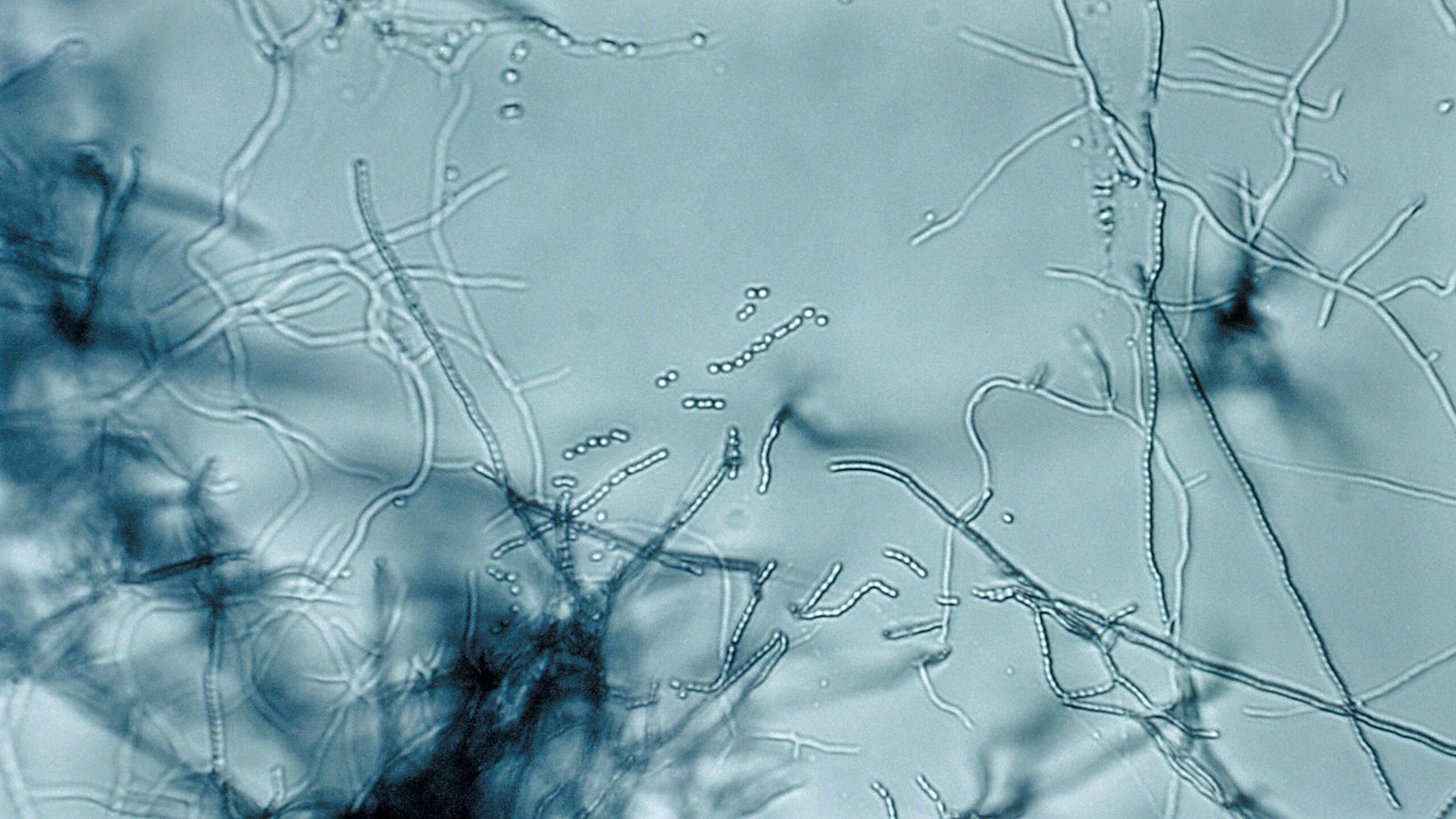
Brown and his colleagues interestingly found the biotin-targeting megacluster in Streptomyces species, which are very well studied. Streptomyces are bacteria that live in soil and are known as gold mines for antibiotic molecule discovery. Many natural products have already been extracted from them, including the antibiotic streptomycin, an essential medicine discovered in the 1940s. Despite this, the megacluster has been overlooked until now, possibly in part because bacteria in labs are often grown in nutrient-rich media.
Fresh strategy
Also, when researchers are looking for new antibiotics in bacterial genomes, they scan for biosynthetic gene clusters (BGCs) that could be responsible for producing single molecules. But Brown’s team identified a cluster of four clusters—the megacluster—that produces not just one, but four molecules that work in different ways to trip up the biotin pathway. Careful study revealed that three of the clusters produce antibiotics molecules—stravidins, acidomycins, dapamycins—that each thwart a different enzyme in the biotin biosynthesis pathway. The remaining fourth cluster produces 2-methyl-7-keto-8-aminopelargonic acid, or α-Me-KAPA, which appears to be a dummy molecule that takes the place of a biotin precursor, basically hijacking the pathway to yield a useless biotin lookalike.